Showing posts with label health. Show all posts

August 17, 2026

Moving on from Cheese Ball

I used to make a locally renowned cheese ball at Christmastime. I would bring it to parties, and serve it Christmas Eve in my house with crackers of various kinds. Everyone looked forward to the cheese ball. One friend even begged me for the recipe and put one in each of her family members' stockings. I got the recipe from a friend of my mother's in the 1980's after I had tasted it at one of their arts council events and fallen in love with its creamy, tangy, walnut studded richness. Made with sharp cheddar, cream cheese, grated onion, garlic and mayonnaise, it was easy to put together with my stand mixer. It also kept well wrapped in the fridge, which was good because I always made a few. Christmas holiday lunches usually featured cheese ball and crackers in our house.

I realized that people had moved on from my cheese ball when I brought it to my friend Kim's annual season-opener Christmas party and nobody ate it. Amid the lighter fare of hummus, veggie trays, olives, and salmon, it lay untouched. That was a first. Then, three of my kids developed lactose intolerance in their teens and twenties. my cheese ball was permanently off the menu. 

How did I feel about this? The end of my cheese ball felt like the end of an era, to be honest. My kids were growing up and my world as I knew it was shifting, friend group-wise, focus-wise, and soon, location-wise when we moved to the nearby city. Yes, I was a bit wistful, but I moved on. You have to move on when every indication points in that direction, don't you? Holding on just leads to disappoinment and stagnation. I can't really stomach much super-rich food anymore anyway, and my cholesterol count insists upon it. I'm good with hummous and the like.

My cheese ball can actually serve as a metaphor for so many things in my life I have had to let go of, mainly ideas about myself and my role in my family, and in the world. My children are grown up and have independent lives of their own, but that's how it is meant to be. I could cry and lament, (and I did at first) but really, I've developed a love of my own company, and often my husband and I being 'just the two of us'. I still enjoy looking after my kids in my own way, but I try to just let them carry on with their lives, with little darts of love from me via text, birthday gifts, phone calls, and occasional visits. They know I'm here if they need me. I've also had to accept the fact that I am a creative person who lives by a slower-paced timeline that works for me. I used to try to wedge myself into roles I thought other people would accept and respect. That just made me kind of ill in the end. 

If you'll be so good as to indulge me, my cheeseball metaphor can even be extended to the wider world. There are so many things we humans hold on to tightly, even when circumstances demand change. I look around and see devastation from climate change, food insecurity, the toxic drug crisis, homelessness, and too much money in the hands of too few. We're going to have to let go of so many of our pre-conceived notions of personal comfort and wealth if anything is really going to change in our society. We have lived very comfortably in the Western world for many decades. We have come to expect that we can guzzle this planet's resources like Gatorade after a hot, sweaty run. Our governments are supposed to work for the people, not their own agendas. Yes, we need economic stability, but if it's at the expense of our environment and the poorest and most marginalized among us, we're bonkers to accept that. 

It's time to accept and push for the changes that are necessary to move on with sustainability and our health in mind. To go from a 'cheese ball' mentality to a 'hummus' mentality, if you will. I have every faith in our ability to adapt. We are very good at that when tested. 

'til next time, 

Rebecca


March 31, 2026

Warm Thoughts

There comes a time every winter, usually in early March, when I announce to anyone who cares, "I am ready to be warm again." 

I enjoyed a preview of that warmth a couple of weekends ago when my husband and I went to Penticton to see our younger son play in a concert there. Penticton, like much of the Okanagan, is generally drier and warmer this time of year than where we live, and it did not disappoint that weekend. It was so warm that, after the concert, we stood very comfortably outside the theatre talking with our son for a good half hour. It was so warm that in the morning, we went for a walk and had to shed our jackets and scarves, even though there was a light breeze. I felt every muscle in my body relax in the warmth. I turned to my husband at one point and said, "Maybe we should retire here." He responded by drily informing me that Penticton is at least thirty-five degrees celcius most of the summer. "Oh, but it's a dry heat," I scoffed, knowing full well that he was right - I'm not a big fan of thirty-plus temperatures. 

My dad's parents were Snowbirds. They joined thousands of other retired Canadians every winter and went down to the California desert. My Nana suffered with arthritis, and the dry heat made her achy joints feel a whole lot better than they did during the wet winters in her home in South Surrey/Whiterock. My grandparents even bought a home in Rancho Mirage, outside of Palm Springs. When they turned eighty, however, the medical insurance skyrocketed and they decided to sell up and remain in South Surrey each winter. I'm sure it was hard for them to say goodbye to those hot, dry, comfortable winters down south. I wonder if they ever thought of retiring to Penticton. I wish they were around to ask. 

I don't mind winter at all. I don't yet have crippling arthritis or suffer through Seasonal Affective Disorder (SAD) or anything like that. I don't mind rain, either, as long as it doesn't rain incessently for days and days on end. I like being cozy with fluffy duvets and blankets tucked under my chin while the winter weather rages outside. I like making hot soup and warm biscuits for supper. I enjoy skiing and rambles on a snowy trail. I like the views of the mountains from my windows when the leaves are off the trees. Come late spring, those mountain views are filled in with masses of green growth. I like watching the flames flicker in the fireplace and taking hot baths on a cold night. But, even I, friend of winter, reach my seasonal limit. After months of wearing layers upon layers, walking down the street with my shoulders hunched against the cold, hands thrust in pockets Bob Dylan style, I'm ready to stand tall with my shoulders back, wear a sunhat and flowy dress and reclaim my outdoor comfort!

You know that first day in spring when you feel warm enough to walk down the street in a t-shirt? That is always a moment of bliss for me. The air temperature is neither too hot, nor too cold. That is my sweet spot. I am so looking forward to that moment in spring when I don't have to decide which jacket to wear, but we are not there yet. On this last day of March, the season is still hovering between winter chill and spring thaw. A sunny day still ends in a freezing night. A warm, mild day filled with bird song and blooming flowers can easily Jekyll and Hyde into a raw, frigid morning where the snow line descends on the mountains overnight. 

Spring is definitely happening, though, and for that, I say "Welcome Spring, and thank you for all your many gifts of beauty and cheerfulness, and the hope of many, many warm days to come."

Happy Easter, everyone!

'til next time, 

Rebecca


March 16, 2026

Everybody Hurts Sometimes

I have never been a person with great reserves of energy, but I have generally enjoyed good health. Lately I have been thinking a lot about the years when I was raising my kids. I am more than grateful for those decades when a bout of bronchitis, back pain, or a stomach bug were the worst of my issues. As regular readers of my 'letters' know, after I had turned fifty and my kids were grown up, I spent a year and a half recovering from a head injury. At no time was I close to dying, but I felt like I might be. Concussions can be that bad. A few of my friends checked in on me regularly and that meant the world to me. One friend even brought my family meals every week for the entire summer. That whole experience shaped me in so many ways that I find it hard not to talk about. (I am sorry if you're tired of hearing about it. I try not to make it my whole personality.)

'Life and death stuff' is what my friend who went through breast cancer treatment calls more serious health crises. As we get older and have more experiences with Life and Death Stuff, we internalize those experiences and use them to empathize with and give help to our friends whose turn it is to go through a crisis. In the best case scenario we are part of a supportive community, taking turns looking after each other, understanding what is at stake. In the process, we, ideally, become better friends, siblings, daughters and sons. 

A couple of weeks ago, I was on the phone with a dear childhood friend. I had texted her to say, if she wanted a ski buddy the next day at her local hill, my husband was on his way there for a flying two-day ski break, and would welcome her company. She called me and said she had the week off and would probably be able to meet my husband at the hill, that is, if her mother-in-law who had recently broken her kneecap didn't need her. I asked if our mutual friend who spent the winters skiing at our hometown hill was still in town. My friend said, no, she'd had to go home to Ontario a month early due to her father-in-law having a bad fall and needing support, and her husband who had planned to join her for her ski break this year didn't get to come even for a week. (As we get older it seems more friends and families in our sphere are 'going through it', doesn't it?) We were both sad that I had not been able to make the trip due to a flareup in my sinuses. Driving a long day over three mountain passes would not be helpful for my condition.

My husband has an appointment in April with an orthopedic surgeon who will look at his knee that has been operated on twice and, according to a recent MRI, has all kinds of issues. Amazingly, even though he is usually in some pain, he persists with the skiing and the trail running, depending on the season, but has added strength training to his regimen in order to support his weaker areas. His knee has recently failed him a couple of times though, and his upcoming appointment with the surgeon is welcome. On a walk at our local river trail the other day, my husband and I were passed by dozens of young runners. I sighed. I miss running, but it's not a wise thing to do when you have a blockage in your sinuses, even when the rest of you is fine. I enjoyed a passing philosophical thought as a twenty-something woman blew past us. 'It's her turn,' I thought to myself. 'I'm glad she is making good use of her healthy body. I hope she's really enjoying herself today.' Aloud to my husband I said, "I miss running. But, in the words of REM, 'Everybody hurts sometimes'." He said something encouraging like, "You'll be able to run again. This is just a temporary setback." I'm on the cancellation list for the Ear, Nose and Throat doctor, so I hope I don't have to wait too, too long for an appointment. The scary date of '2027' was said by the ENT's receptionist. The blockage in my sinuses totally clearing up before then would be even better. 

I get down on myself when I am sick. I think, 'Why am I not stronger?' I prefer to be the helper, not the helped. I hope my personal experiences with illness and other physical and mental challenges have made me a better person, though. When my close friend developed breast cancer I knew what pain was, I knew what self-advocacy within the health care system looked like. I knew the toll illness takes on our mental health. I could actually help her in a meaningful way, and that felt good. When she was through treatment and her friend got cancer, she could be an empathetic, helpful, and knowledgeable friend to her. She felt privileged to be able to do so. Their friendship deepened and that is a beautiful thing. Perhaps, after all, the meaning of hard times and loss and grief is to help us grow into deeper humans, capable of more empathy. The world could sure use more of that right now. 

'til next time, 

Rebecca 


February 3, 2026

Hoping Mechanisms

One day last week I let myself get buried by all the commentary blasting out from social media on the current events in our world. I felt desperate and sad and despairing and afraid, and I couldn't get to sleep that night. I vowed to not let that happen again, and so far this week I have not. Watching the news to stay in the loop is one thing. Absorbing all the ways in which celebrities and various social media regulars emotionally share their responses to it is quite another. I am not saying they don't have the perfect right to share their responses, it's just that I don't have to subscribe to all of it. The human body was not created to be a full-time disaster response machine. We need to be informed, yes, but we also need fresh air, we need healthy boundaries, we need creative outlets and meaningful pursuits, we need community, and we need, most of all, hope.

I remember during the first year of the Covid pandemic, someone wisely said that how you respond to crisis affects how your children will respond, so be calm and carry on. Answer their questions simply and honestly but don't dwell on the negative and don't freak out every time the news gets worse. Go to the trusted source for advice on how to cope. For me that was listening to Bonnie Henry calmly and compassionately deliver her updates. She never failed to help me feel under control and hopeful that we would all get through that trying time together. For anxious me with one teenager still living at home, staying visibly calm all the time was a tall order. I had to develop a routine of coping with my anxiety as I had also lost my job due to Covid. I went for long walks every day listening to a lot of Steve Martin and the Steep Canyon Rangers. I made healthy food for my family. I did little art projects. I reached out to family and friends. I watched the World War II-era mystery series Foyle's War from start to finish to remind myself that humanity had lived through tough times before and we would survive...well, most of us would. 

The lessons of the Covid pandemic still apply in the bizarre world climate of today. Having access to 24/7 news and commentary doesn't mean we don't have the power to choose when and how much we absorb. We are all different. Some people can take a lot. My husband for one. He can get up in the morning and hit the internet on full blast. It doesn't seem to put him on the wrong foot for the day. I have to ease in with 'coffee and contemplation' as my brother-in-law Brent calls it, with some prayer to help me keep perspective, journal writing, Wordle and Connections puzzles. Then, I might look online for some funny content. I'm not ready for anything more serious until at least mid morning. At least one day per week I avoid social media altogether to concentrate on creative projects. I need that healthy boundary to remain hopeful and would argue that most of us do.

Years ago my eldest son came home from high school and said, "Hey Mom, do you want to hear the world's shortest poem? I heard it in English class today." "Sure" I said. "Okay, here it is" he said. 

Hope? Nope.

That was the poem. Although probably the honest feeling of the poet when they wrote it, flat out depressing. 

I prefer this one by Emily Dickinson:

“Hope” is the thing with feathers -

That perches in the soul -

And sings the tune without the words -

And never stops - at all -


And sweetest - in the Gale - is heard -

And sore must be the storm -

That could abash the little Bird

That kept so many warm -


I’ve heard it in the chillest land -

And on the strangest Sea -

Yet - never - in Extremity,

It asked a crumb - of me.


Hang on to your little bird, friends. We will get through this.

'til next time, 

Rebecca


January 6, 2026

A Christmas to Remember...or Forget

Christmas 2025 was the first one my husband and I spent alone as a couple in all our 35 years together. We didn't plan it that way. The kids were going to come, but an atmospheric river caused a major washout which undercut a section of the highway between the Valley and the resort my husband manages. No one knew for sure when the road would open. The kid coming from the east of us decided to wait until his siblings from the west could join him at our mountain home. 

My husband was exhausted. He had driven to our home in the Valley the long way round, over the Coquihalla Highway, which added about two hours to the usual trip, to get the staff's Christmas mail, and bring me back with him on the 22nd. When we got to our cabin here at the resort, he lost another night's sleep trying to repair a generator that powered twelve guest cabins. The resort had been without power for ten days, since the road closure. I had a sinusitis flare-up to contend with - lots of Advil and sinus flushes, and naps after rough nights of headache. While we were glad to be together after a couple of weeks apart, we didn't have much energy for anything else, or anyone else. I spent much of the afternoon of Christmas Eve asleep in a recliner while my husband went skiing. 

This Christmas was also the first in ages that I did not cook Christmas dinner. My husband had hosted a gathering before I arrived, and there were plenty of leftovers in the fridge. Christmas Eve, we unceremoniously raided the fridge and plunked everything on the table. Pickles, cheeses, dips, crackers, fresh vegetables, chorizo salami, my Christmas cake and cookies, and some kind of winter ale to quench our thirst - my husband enjoying the lion's share since alcohol is not great for sinusitis. Family tradition dictates we watch Scrooged (which our eldest calls 'Dad's favourite redemption story'). We started the movie early and finished it earlier than any other year we have watched it. Then, we 'settled our brains for a long winter's nap'. On Christmas Day I was feeling a little better from all the rest I'd had the day before. We unwrapped our gifts from each other and enjoyed a good breakfast of bacon and eggs, delicious pannetone bread from the bakery I have worked at for several years, and oranges. After a walk and a light lunch we facetimed with our kids, determining which upcoming weekend would work best for the postponed gathering. After another nap, we donned our best sweaters and walked down to the resort's restaurant for turkey dinner. 

My husband and I said to each other more than once that although our Christmas had not gone to plan this year, it was exactly what we could manage considering the circumstances. I am reminded of the Christmas in the mid-2000's when we were all sick with stomach flu. I ended up cooking the turkey on the 27th, and it tasted just as good as it would have on the 25th. I have a turkey in the freezer now. I will take it out to thaw in the fridge tomorrow, and it will taste just as good this weekend when we cook it for our belated Christmas dinner with our kids. We're leaving the tree up, too. It's still green and healthy looking. 

As philosophical as I seem in my response to an upended family Christmas, I have been further challenged this New Year, making it a bit more difficult to remain positive and 'look on the bright side'. On December 20th, I had a CT Scan of my sinuses. Yesterday, my doctor called me with the results. While the scan indicated mild sinusitis throughout, it also indicated a blockage where my nose leads into my sphenoid sinuses - the little brute that's been giving me nearly three months of trouble so far. My doctor prescribed a course of treatment for up to three months. If the treatment doesn't work, I will be referred to the ENT (ear, nose and throat) specialist who may decide a procedure is necessary to remove the little brute. 

For the last several months, my eldest daughter and I have been planning a big trip to the UK for June. A trip that has been a dream of mine for forty years. A trip that would involve a long flight. I was quite sure the short flight I had done as a test in October of last year had triggered my current sinus issues. After the call with my doctor I decided to postpone our trip until my sinuses are totally clear. One should completely avoid flying with sinusitis. I'm living and painful proof of why that is. 

I was going to take only the winter off of work again this year, but I had to leave early December due to recurring flare-ups that rendered me miserable. My back would also become inflamed with each flare-up making it even more difficult to sleep. I spent one third of 2025 with inflamed sinuses. Fortunately, February through September were pretty wonderful. I felt healthier than I have since before 2020. I realized a couple of moderately big goals, too, and had many great times with family and friends. I can remember how it felt to be well. I will try and focus on that feeling as I strive to heal over the next few months.  

I know we all have our challenges, especially as we age.  I know postponing the UK trip is a First World problem. I know I am very fortunate in so many ways, like having someone who loves me to spend Christmas with, but please forgive me a few tears, too, as I let go of plans and dreams for a while until I feel better. 

Wishing all my lovely readers a happy, healthy, wonderful 2026.

'til next time, 
Rebecca

June 29, 2025

ADDing it Up

If you frequent TikTok, Instagram or Facebook you can't help but notice that a lot of adults are talking about being recently diagnosed as having ADHD (Attention Deficit Hyperactivity Disorder) or ADD (Attention Deficit Disorder). Social media apps have been instrumental in helping people to recognize both common and uncommon traits of these neurodivergences. Medical doctors like brain expert Dr. Amen, celebrities such as Trevor Noah, Diary of a CEO's Steven Bartlett, and Mel Robbins, as well as regular folk are making videos to share on the subject, and a whole new wave of self-knowledge (and sometimes self-diagnosis) is sweeping the world. I have members of my own family who have been officially diagnosed, some quite a bit after such a diagnosis could have helped them in school. Other members of my family, including my sister, Clare*, are simply aware they possess some or many of the traits of someone with ADHD and have decided they have lived this long without medication or professional support, so they are simply carrying on being the successful people  they are - just with more self-awareness. When I listen to Mel Robbins talk about her own ADHD, it's like I'm listening to Clare talk about herself. 

A couple of months ago, I was having coffee with two girlfriends. One of them was telling us she was sure she had ADHD. She pointedly asked me if I noticed traits in myself. What came out of my mouth at that moment surprised me. I had only just realized it. I said I had difficulty concentrating unless I was really interested, and when I forced myself to concentrate for extended periods of time I became really tired. My brain wanted to fly off in disparate directions whenever I had to listen to something that wasn't grabbing my attention, and that it had always been that way since junior high school. My friend with ADHD said she thought I swung the opposite way to her. She tended to hyperactivity. I tended towards lethargy, especially after periods of intense concentration. I said I couldn't remember being hyper a day in my life, in fact, and that I envied people like her and my sister. "You women get shit done!" We laughed.

In elementary school, I developed good study habits and became used to good marks, so I expected these to continue as I entered my teens. Honestly, I was surprised when my grade six math award did not translate into a good grasp of algebra when Math no longer related to the physical. They lost me with abstract concepts. Try as I might, I spaced out in class and my math marks continued their descent. I still did well in school, especially in English, French, and the Humanities, but the Sciences apart from Biology eluded me. While many of my friends were methodical in their approach to school work, I was a binge student - procrastinating like crazy and then cramming for tests and spending an entire weekend writing a paper due Monday. I had to feel pressure in order for my brain to focus intently. I started to feel like something might be wrong with me. 

College was fantastic. I had only to take courses I was genuinely interested in. I genuinely loved the whole experience, but my habits had not changed. I was still a binge student when it came to tests and papers. Fortunately, I loved to read, so I was always prepared for class in that way. I carried on to university, but after my first year there, which I enjoyed, I began to find my classes tedious. I remember the last paper I wrote was for Classics. It was excruciating to force myself to complete my paper. I typed while the tears rained down my face. I called my mom. I didn't know what was happening to me. I had always loved being a student. I had loved everything from the smell of a new HB pencil to that first crack when I opened a brand new textbook, but that enthusiasm had completely left my body. My mom didn't know what to say except, "Come home for a week. We'll sort it out." We did not. 

I don't want to diagnose myself with anything. I would rather trust a professional if I ever choose to go down that road. I did take part of an ADHD test a doctor gave to my niece, but very little of it applied to me. If I do have some traits of neurodivergence, they are manageable now. What are they besides the above I have described? I am messy. I am really sensitive to the energies of others. I am either incredibly creative and productive or I am paralyzed into inactivity. I run and practice yoga, not to expel excess energy, but to create it in my mind and body and to increase my ability to focus. I have learned many coping mechanisms to deal with my shortcomings, like making lists and setting reminders on my phone, but I will be the first to admit my traits have been hard on my self-confidence over the years. I wish I had had someone to guide me through the difficulties I encountered in university. I felt so alone. Someone close to me once asked me how I felt about the fact that all my friends had successful careers and I did not. I know I was hurt when they asked it, and I have asked myself the same question many times. Now, however, I have decided to give myself a break. I have honestly done my best so far, and that's all I have. I have loved being a mom. I provide a good balance for my husband, whose frontal cortex is firing on all cylinders most of the time. I like my humble job(s). I like being helpful. I care about the world. People say I'm funny. I guess I'm okay even if my brain likes to take regular vacations. 

'til next time!

Rebecca

*My beautiful sister Clare wanted me to use her name.


January 28, 2025

Becoming Village People

I've heard a lot of talk in the last few years amongst the millennial generation about the desire for community, or 'the village' as some of them call it. Many millennials feel a lack of connection and a lack of working together for the common good of a group of people. Some young online influencers have theories as to what makes them feel disconnected. Maybe it's the internet with its strangely isolating social media platforms and barrage of doom. Maybe it is general malaise and isolation of the self in an increasingly complex society. Some young social media influencers present advice for others on how to foster community by reaching out, asking for help, and sharing what they have to offer in return.  I am not a millennial, only an observer, but I cannot help but feel for them. I have been a part of several communities over the years, and have benefitted hugely. 

For most of us, our first community is the family unit. I was the youngest of six children, so our family may even have qualified as a village, or maybe a hamlet. I don't remember ever being alone in the house until i was probably in my teens. I was surrounded by my community, whether I liked it or not. I had to learn to get along, put up with annoyances and teasing, and stand up for myself. On the other hand, I was very rarely lonely.

While I was born and raised in one community, once I left home I moved around a lot in the first eleven years of my independent life. I went to university in Vancouver, made a couple of friends there, got married, had a child, and then moved to a small town when my husband was hired by BC Parks. The first thing I did when I moved to the small town was find an organized group for new parents. Two mornings a week I would walk with my little boy to an unidentified hall somewhere and share stories and concerns with other parents (mostly moms), listen to guest speakers, eat snacks and drink coffee, then trek back home. On other days I went down to the coffee shop where regulars gathered to drink more coffee and discuss the news of the day. I didn't expect close friendships, just connection and some sort of social life. My husband and I frequented an excellent bakery in the town. The owner's daughter who worked there, would fill a big bag with bread and treats and never accept more than five dollars for it despite our protestations. I don't know why she did that, but we were so touched by her kindness. Money was tight in those early days, and every bit helped. Mary-Lou did not become a particularly close friend and we lost touch over the years, but I remember her so fondly as someone who made the village that much sweeter. 

When we moved again for another job I was lucky enough to already have a good friend from university in that town. We started a book club together and I invited some other moms I had met at the mom's group to join. I made friends with the owner of a local cafe and vintage shop. We traded various items and I still have a cabinet she gave me in exchange for an old wardrobe and some vintage chenille bedspreads. 

Alas, just as we were falling in love with living in that town, my husband was transferred to Vancouver Island where we knew almost no one. I quickly found a parent community through the Tot Stop which was held in the basement of a church. Again, I didn't expect deep friendships to come of it, just somewhere to go with my two little boys and relate to other parents deep in the trenches of parenthood, but a walking group came of it. The city park was where I met a very great friend. She saw me with my two boys in the same age range as her two boys and simply walked up to us declaring that we should be friends. She was new in town, too. We spent many happy times together over the seven years we lived on the Island. After two years in one Island community, we moved up Island to a remote and tiny lodge community. Finding 'the village' there was a huge challenge after the convenience of living within walking distance of every service we needed. For me, however, not fostering community was not an option. I persisted in finding ways to relate to the people around me. A small handful of young families made up the year-round lodge community, and eventually we started a kind of community pre-school. We took turns coming up with activities for the kids. Another lodge employee held movie nights. Every day the families would meet up at the basketball court or the beach, depending on the time of year. The lodge owners' nanny became a great friend, and her home became the kids' gathering place. Our time was not always easy in that tiny, but mega-beautiful lakeside community, but we made it work and reaped the rewards.

When we moved to the Fraser Valley our three older kids were school age, so it was easy to strike up conversations with other parents during school pick-up. We also made friends with people from the little church we attended. The town was small and we soon felt part of the village. New friends introduced us to other friends, and my desire to become involved in my community was answered (and then some!) I was asked to provide daycare by a woman from church. She was a teacher and had a son one year older than my youngest who was just a toddler at the time. When word got out that I was providing daycare another teacher I met at a Thanksgiving dinner asked if I would consider looking after her son, too. That was the beginning of a beautiful friendship and highly beneficial connection that has lasted more than twenty years. We traded daycare for organic beef and chickens raised on their farm, and my youngest was never lonely while her siblings were at school. Now, we trade puzzles and I am part of their garden co-op.

As I write this little history of the communities I have been lucky enough to be a part of, I realize that in all of them I was able to meet people through having children. I met many other people along the way through shared interests, but my children were my main conduit to community in each new place we moved to. I am hugely grateful that I am not having to move at my age to yet another town where I know no one. It can be much harder to find community when you're older. If I did have to move again, I would find somewhere to volunteer. I might take a class or join a theater group (backstage work is really fun). These days I spend a fair amount of time alone, which suits me after all those years of being a social butterfly, but I truly value the times I do get to spend with cherished friends and family members. My husband works at another remote lodge environment and I have taken the winter off to spend more time with him. I also spend time checking in with friends and my extended family members, some of whom are aging and needing a little more support. 

'The village' I am part of now could be represented like a map with many pins in it. Some of the pins are faded, and some have fallen out, but all are important to me. I have always had people I can call when things go awry. I have been that person for others, and I am grateful. I don't know how to advise the next generations on how to foster community and create that longed-for village. They have to figure it out for themselves, and they will. No person is an island (especially if they live on one!). The only thing I would tell young people is that connection is entirely worth the effort, the mistakes made, and the risk of rejection. I know I made social mistakes, as all young people do, but I still felt myself worthy of social connection and my place in the village. Everyone is worthy of community, of face-to-face interaction. Nothing replaces real human connection. 

"We are called to be strong companions and clear mirrors to one another, to seek those who reflect with compassion and a keen eye how we are doing, whether we seem centered or off course … we need the nourishing company of others to create the circle needed for growth, freedom and healing."-Wayne Muller

December 31, 2024

Closing the Door on 2024


I've had trouble settling down to write anything lately. My mind has been preoccupied by the sobering reality of several friends dealing with quite major health issues. My friends and I are all at that age now where, if we aren't ourselves dealing with major health issues, then we know someone who is. I am a person who prays, and I have been praying lately for five people, all women, in my circle who have been undergoing some sort of cancer treatment. In the last couple of weeks I received good news from two of these friends, and I now feel like maybe we are over the worst of this bout of scary and all-consuming scenarios.

In early December I attended a Christmas party at the home of a good friend of mine in the nearby town we used to live in. Her house was brimming with laughter and conversation. I had not seen many of the guests for a year or more. I noticed how everyone was looking a bit older, a bit greyer with a few more laugh lines and worry creases. I'm sure they thought the same of me. I thought how lucky we all were to be there, healthy, engaged and celebratory. There were a few young people there, too, friends of our hosts' son. I reflected on the gift that youthful energy and clear-eyed beauty bring to the table, and hoped that these young friends were making the most of this special and all too short-lived time in their lives.

Weeks ago, when my husband and I were walking on our favourite river trail, we noticed how friendly our contemporaries were. There were plenty of  'Hello! Nice day for it, eh?' greetings between us. I joked later that maybe we were all thinking the same thing: "Hey, look at us! Still upright and able. Isn't it great?" 

As I reflect on the past year, I feel grateful for being able to support my friends in their health crises. I have been on the receiving end of that support and know how much it can mean. I am grateful for my siblings whose support I feel through our daily check-ins and Wordle score sharing. I am grateful for my husband who continues to work through endless work challenges and toward personal lofty fitness goals while making sure I feel loved and cared for each and every day. I am grateful for my four children, whatever they bring, whether it is something to cheer me or educate me. It all counts. I am grateful for my mountain home away from home. Here I get to slow down, smell the good air, and drink the clear water. I am inspired here and always go home feeling refreshed. I am grateful for my health. It's not perfect, but with my cooperation (and often wavering motivation), it's pretty darn good. I am grateful for all the simple joys I experienced this past year, from cherry blossoms in spring to impromptu visits with old friends. And finally, I am grateful for the hard times. There's no school like them, and I hope I am a better and more resilient person for them.

As this year closes and another one opens, may you find doors to inspiration, to hope, and to love aplenty, just waiting for you to pass through and embrace them. 

Until next time, and with hopes for a more peaceful 2025 in our crazy, beautiful world,

Rebecca


August 13, 2024

Dancing, Waiting for the Dam to Break


I was reading something humorous recently that said choosing where to live in our country should be based on which natural disasters one is most comfortable dealing with. Are you relatively okay with tornadoes and hail storms? Move to the prairies. Content with cleaning up after the tail end of a hurricane? Live on the East Coast. Good with forest fires and flooding? Alberta and the Interior of British Columbia are your best bet (although, the East Coast has had some share in the forest fire phenomenon in recent years). Feeling calm about the ever present threat of a major earthquake? Hightail it to the West Coast. I live between the Interior of BC and the West Coast. The potential for disaster is as varied as my province is geographically dynamic. Before you roll your eyes at me for calling my province 'geographically dynamic' I got this off the trusty internet just now: 

"Geography is a study of the earth and phenomena related to it. The earth is dynamic with variations in its physical and cultural environments. These geographical phenomena, whether physical or human, are not static but highly dynamic. They change over time."

If you need proof, Google what just happened on the Chilcotin River about 450 kms north of where I sit. A massive slide (or more accurately, a slump) dammed the river, creating a lake 11 kilometers long. Experts predicted the water to start moving across the top of the landslide, and while hoping for the best outcome downstream, communities along the Chilcotin and the Fraser Rivers braced for the worst. The damage downstream was held off by the debris emptying into the much wider Fraser River and then being purposefully trapped close to the town of Hope. The look of the area in the Chilcotin will be changed forever. Until the next event comes along, that is.

The earth has always been dynamic, from plate tectonics and volcanoes, to river levels constantly changing, etc., etc., but lately, it seems the planet has been a little too dynamic. Temperatures are more extreme as the planet warms, causing a veritable 'Clash of the Climate Titans'. The Jasper fire was paired with fierce and forceful winds that pushed the fire rapidly towards the town, doing major damage to human property and animal habitat.  From where I sit today, there is a forest fire 20 kms to the east, and one 150 kms to the north. We have had a lot of lightning in the past seventy-two hours and the potential for further fires well into the autumn is ever-present despite the intermittent rain showers.  Summers are getting hotter and longer. Thousands of trees where I live in the mountains are infected with spruce bud worm and for weeks I looked out the window at hundreds of the spruce bud moths flying around. We'll need a couple of weeks of well below freezing temperatures to eliminate these infestations, but last winter was barely cold enough for snow. I have to believe that Mother Nature knows what she's doing, and I really hope we humans are prepared to work with her. So far, we've not been terribly good at that. Our efforts have been more on the 'taking from her' side of things.

Before colonization, Indigenous peoples moved around. They had their territories, but plenty of space within them. If an area flooded, they would move to higher ground. They had their summer and their winter hunting grounds, fishing grounds, and areas to gather berries and plants. We settlers like our little, permanent plots of land. We buy insurance against anything changing about that plot of land. The insurance rates have been skyrocketing in the last few years as a reaction to climate-related disasters (Our condo complex's rates tripled since 2017), and I am left wondering how sustainable the whole industry is. What if we could just pick up our houses and move them? For obvious reasons, I see all kinds of problems with that idea. I suppose the alternative is to move to another little plot of land in a different community, country, or even a different planet as some are proposing. Can we really escape, though? Or are we just buying time? The answer lies within ourselves. We need to get used to change, and we need to get used to downsizing our consumptive natures and sometimes dangerous habits. We mostly need to accept how in denial most of us are. Can we stem the tide of disasters? Experts say yes, but without us each also saying yes with our actions, the situation doesn't look promising.


Not every disaster is related to climate. Some are decades, centuries, or even millennia in the making. A crack widens and the proverbial dam breaks. Many are made worse by climate, though. The slump in the Chilcotin may have been lessened if the trees on the slope were not killed by fire, contributing to destabilization of the slope. The good news is, scientists and engineers are working constantly to find new ways for us to deal with and even lessen the effects of disaster. First Nations and Government are teaming up to tackle forest fire mitigation using traditional techniques. Climate anxiety is a genuine issue these days, especially among young people. The remedy partially lies in doing what we can, when and how we can, and leaving the rest to Nature herself. She's actually a pretty smart cookie. I personally believe we can still live with joy and humour in a constantly changing world. We cannot control the dynamic nature of our planet, but we can control our contribution to it. We have choices we get to make every day to make our world and our climate healthier and happier for all of us. So, as my sister-in-law says, let's "make good choices!" 


June 21, 2024

Feelings, Whoa, Whoa, Whoa

When you're a small child, you usually concentrate on having one feeling at a time. You're either ecstatic, mildly contented (when playing with a toy, for example) or crying your eyes out like the world is going to end. Some little kids also get really angry, but I was not one of those kids, in my own memory at least. As a teenager, your moods can swing wildly and teens can often milk those feelings for all they're worth for maximum impact. When you feel sad, for instance, you might put on some equally sad music so you can really wallow in it for a while. Conversely, you can become loud and expressive when high on a happy feeling. My girlfriends and I were a lively group when excited and happy. We were a common sight around town, linked arm and arm across the road singing at the top of our lungs.

An advantage of growing older and becoming more experienced is the ability to entertain opposing emotions at the same time. A person can be going through something really, really hard, but still find joy in the everyday things like an unusual bird or flower, or a new song on the radio that grabs their attention. I would argue that this ability is acquired through discipline, just like any other skill. If I'm having a hard day, I try very hard to not let my difficulties own the whole of me. I seek out activities like exercise, reading, writing, and cooking to ease my mind, or I seek out a friend to talk to. Having children helped greatly with the discipline. I simply could not wallow in sadness or my sensitive children would pick up on it and become concerned. The term 'fake it 'til you make it' comes to mind. 

Today, for example, I am in pain. I have a tricky back, and it doesn't seem to matter that I practice yoga daily, walk and run regularly, spend large amounts of funds on excellent mattresses and pillows, my back will insist on giving me problems from time to time. My back started acting up yesterday. After a rough sleep during which any movement woke me, I got up still in pain. I did some gentle yoga and went for a walk around the lake. Although certain movements caused me to flinch until I was loosened up by walking, I reveled in the symphonic bird song all around me, and stopped frequently to take in the views of lake, shadowed trees, and snow capped peaks. I am no stranger to pain, though. I've been 'carrying on' through bouts of back and neck pain since I was in my twenties. I know, with gentle movement and treatment, my pain will go away eventually, which makes it a bit easier to endure. Physical pain is just a part of life for so many of us. 

Emotional pain is a little harder to get past. Especially grief. I liken it to the ever-presence of pebbles in the shoes of my heart. We all experience various degrees of painful loss in this life. The death of a loved one, a rift in the family, a decline of health and a pining for the healthier version of ourselves (or a loved one), an overwhelming sense of despair at the state of the war-torn world and the health of the planet. We limp along, despite the pebbles, and try to move forward. Every morning is a chance to start again, to see our world in a new light. Every day we get to choose how to navigate through the rough stuff with a sense of balance. We can entertain our grief and sadness and not shove it under the rug, but we can also make the effort to find the joy in getting to live another day in what is really a beautiful world in so many ways. 

(*I speak only of personal experience. I am aware that sadness and despair are not always a choice, that some people's mental states are more prone to them than other's. So, please, see a health care provider if you simply cannot find an ounce of joy. You, and your mental health, are so worth it.)

'til next time, 

Rebecca


June 25, 2023

Generation Cell Phone

I've been thinking about how each generation of children we raise lives in a different world than the one before it, and how that affects parenting those kids. I have three kids who would be considered young Millenials and one that would be considered GenZ. I know various factors contributed to their style of upbringing, but with the rate of change being as drastic as it is in this age of rapidly advancing technologies, even in the five year gap between my third and fourth children (both being girls) I noticed a difference. This main difference was the hand held pocket personal computer and communication device known more commonly in this country as the cell phone. And, I'm not just talking about my youngest's possession of one and how that affected her life, but of my own. 

I put off having cell phones in our home as long as I possibly could. My husband was issued a flip phone for work, but the rest of us did without phones, and no one thought to ask for one because they were yet to become commonplace among their peers. We did have the family computer in the living room, and we all took our turns to do schoolwork or writing projects, play games from DVDs like Magic School Bus and I Spy, Lego Harry Potter and LOTR, watch YouTube videos, download music, and play Club Penguin when those online activities came along. Often there would be more than one kid sitting at the computer at a time, sharing their experience together. One of my kids was loaned a Game Boy in Grade Five from a friend, and when I saw how addicted he became I asked him to give it back and never borrow it again. My older daughter somehow talked us into letting her get a Nintendo DS with the digital pen thingy when she was a pre-teen, but she never seemed to become as addicted as her brother had to the Game Boy. My goal was always for my children to develop their 'real world' interests first and use the digital gadgets as a tool for relaxation and entertainment on a limited basis.

I remember waiting in the elementary school yard for my youngest. A woman asked me if I was on Facebook. I told her, ugh no, that if I wanted to communicate with people from high school I would do it the old fashioned way - I wouldn't. A couple of years later my eldest who was in high school asked if he could get a Facebook account. I told him yes, but I would get one, too, and then he would have to be my 'friend' on the site. Facebook was this scary unknown to me then, and I feared losing awareness of what my son was up to. Little did I know the only thing he would use it for was posting music videos and messaging friends about social gatherings. He was the first to leave the site a few years later, too. To him, Facebook was lame already. Not so for me, I found. To my surprise, it was actually really fun to reconnect with old school-mates, my large, scattered family, and acquaintances in this limited way. For many of us it became a way to cheer each other on from afar, and to make each other laugh. People were sharing their travels, their kids' achievements, their health struggles, and their hilarious daily foibles. I soon became rather addicted to all the daily updates, and anyone who is 'friends' with me on Facebook knows I am a regular contributor. I do know my life would be lonelier without it, especially during Covid when digital connection became so vital to many of us. I know it seems I digress. We were talking about cell phones, but social media is a huge part of their use. 

I remember the day I told my husband I couldn't put off having a cell phone any longer. My job was requiring my use of one. We went to the Koodo kiosk at the mall and signed me up. By that time, flip phones were not the norm any longer. The phone I chose had a touch screen and so, in addition to being connected to the cellular network, it hooked up to our home WiFi. My carrier was Shaw, so free WiFi was available in lots of places. Unlike with the computer, I could lie down on the couch and read articles, scroll Facebook, and message people. I'm not going to lie, that was a revelation. One by one, my three older kids got phones as well, although they were well into their late teens. When all three of my older children had moved away to attend college or university, my youngest and I thought, with her busy schedule, that she should get a basic phone, too, so we could communicate on pick-up times from her theatre rehearsals in the next town. If I remember correctly, she was thirteen when I got a new phone and she inherited my old one. Fortunately, my youngest was too busy at the time to become completely addicted to her screen, and she was very handy as a tech assistant when her dad or I couldn't figure something out on our phones. 

The other day I was remembering my youngest and I sitting in our living room when she still lived at home, both looking at our phones. I compared it to the days when she or I, or other members of our family, would sit at the computer in the living room, whatever we were doing open and available to the rest of the family, opposed to both of us isolated with our little screens in our own little worlds. Most of the time she was chatting with her friends and theatre colleagues, while I scrolled social media or read articles, or chatted with family and friends of my own, losing track of time. I wondered how this change had affected our lives in a deeper sense. I know teenagers deserve to have privacy at times, but to be honest, I think personal phones have  given them too much privacy and too much information available 24/7 to absorb - a lot of it sad and/or alarming. Of course, the difference from my own girlhood is huge. I couldn't even have a private telephone conversation in our house, the corded phone being on the wall in the very center of a small house full of up to nine people at any given time. And, TV news was limited to an hour or so a night. I also wondered how my time spent isolating myself with my phone made a difference to her life, or was it just normal to her - part of the culture of the late 2000's that she took for granted? I know there are scholars out there studying the effect of technology on our brains and we are still learning. I know I have made changes in my own consumption. I turned off the Facebook and Instagram notifications on my phone, and I have learned to recognize in myself when I have become over-saturated with information and screen time. Fortunately, I feel like I have struck a balance with the devices in my life, but it took a long time. That we expect our kids to figure this out on their own is a big ask in my opinion.

I can't help but wonder how the younger moms and dads raising Generation Alpha are doing dealing with all that the world is throwing at their families. Probably their best, as most of us have done before them, learning, failing and winning as we go. 

Until next time, 

Rebecca


February 25, 2023

Swimming Lessons

My mother was a strong swimmer. She had been a lifeguard when she was a teenager and insisted all her children take swimming lessons, especially since we lived in a town with a lake at its center.

I was the youngest of her children and a disappointment when it came to swimming lessons. I never passed a single session because I could neither float nor swim on my back. But, I could swim well enough to enjoy the refreshing water in our local outdoor pools and lakes in summer, and not drown. The swimming instructors kept putting me in the next levels simply because I was too old to swim with the little kids.

When I was in Grade Five, our town built an indoor swimming pool with a gym, sauna, and hot tub. The Nelson and District Aquatic Center soon became a major hang out spot for my friends and I. Two of my friends even went on to win gold in the Provincial Synchronized Swimming championships. Alas, not I. My skills never extended past the basics, but I did learn to love swimming for swimming’s sake.

Grade Seven was an awkward and trying year for me. I retreated to the aquatic center regularly for some ‘swim therapy’. I had at last learnt by then to swim on my back and I backstroked my way up and down the swimming lanes, counting ceiling tiles as I went. I knew how many tiles meant it was time to turn over and watch for the edge of the pool. I would swim, forty, fifty lengths on a Saturday afternoon, alternating between the breaststroke and backstroke, not fast, just smoothly, achieving a zen-like headspace that made my twelve-year-old troubles melt like lifesavers on the tongue.

I still enjoy a dip in the lake or pool these days, but I achieve my zen-like desired state through running. Again, not fast, but smoothly gaining ground with my rhythmic plodding. I often look back on my lane swimming days with fondness and empathy for my twelve year old self. I didn’t recognize those days as therapy at the time, but I now know how to name and describe the mental and physical health benefits of exercise.

 As the little fish Dory from the Disney film, Finding Nemo says, “Just keep swimming!” whether you take that literally or metaphorically.

'til next time, 

Rebecca

August 1, 2022

Embracing Life in the Slower Lane


As readers of this blog are well aware I grew up in a mountain town, a sporty town, an artsy town, a hippie town. While I related well to my hometown's mountain, artsy, and hippie aspects, I found the sporty one eluded me. Not that I wasn't fit, I really was. With the lifestyle my active family promoted I had no chance not to be fit. We were a hiking, huckleberry-picking-in-the-hot-sun, everyone-takes-swimming-lessons, walk everywhere family. My mother despised camping, preferring to spend a day out of doors then return to her own bathtub and bed. Thanks to my friend's mom who organized a week long camp through their church, I was able to attend summer camp two years in a row. We learned how to paddle a canoe, did nature themed art projects, played orienteering games with a map and compass, and sang riotous songs around the campfire each night, and I absolutely thrived. None of the activities intimidated me as school sports tended to. Oh, I could run and still do, but team sports? Anything requiring skilled eye/ball coordination and strategy? Nope. I was trained by the 1970's and 80's school system to revere sports and the people who were talented at them, always making me feel less than. I believed you were either good at sports or you weren't, and was confused that I could learn to steer a canoe but fail at volleyball. PE class, while not entirely humiliating - I could fake it 'till I sort of made it - felt like a waste of time. 

As I got older I began to align myself with the outdoorsy community. I spent a winter gaining my ski legs. I climbed some serious peaks in my area. I attended the Banff Film Festival and worked at a local outdoor sports store selling backpacks and canoes, offered the job by the owner because I was 'active'. I dated a ski instructor/mountain biker from a nearby mountain town. I read Outside Magazine when the store was quiet, reading about major feats in the outdoors by women much stronger than I. I found that my troubled back was not happy carrying heavy packs. I skied beyond my ability and ended up injuring my neck. I tried tree-planting and left after one day - it killed my achilles tendons. I felt unsatisfied by my outdoor athleticism. If I couldn't be like those women I read about or sold equipment to, what was the point of taking part in that world? I suffered from 'all or nothing' thinking. 

When I started falling in love with a super-jock I was unimpressed. Would I spend my life feeling inadequate because I couldn't do things at his level? He windsurfed and played beach volleyball and tennis, and was quite competitive. In winter he skied and played indoor volleyball in a Vancouver league. When he talked to me about all the wonderful, outdoorsy, sporty things we could do together, I looked him straight in the eye and said "What if I don't want to do all of those things? What will happen to us?" He paused and said, "but you love nature, don't you?" I replied, "yes, I really do, but I am not into conquering it, so if you want this to work you are going to have to lay off pushing me to do things I am uncomfortable doing." He still wanted to be with me (it must have been my sparkling personality and clever wit). He did not give up trying to get me to expand out of my comfort zone, though. I had to learn to trust him and we have had a rather wonderful life so far, filled with adventures that made me love the outdoors even more. My years of pushing myself to learn to ski, both cross-country and downhill, all the hiking I did as a child and teenager, and the canoeing at summer camp, prepared me for a life where I could, if not excel at any of those things, own enough skill to have fun doing them and become better at them as we exposed our children to the wonders of spending time in nature in all seasons. 

Today, our kids are grown and independent. I spend much time at the resort my husband manages. It comprises a ski hill, several beautiful lakes, and a vast network of cross-country ski and hiking trails. I walk, cross-country and downhill ski in winter. In summer I thoroughly enjoy a five kilometer run or hike around the main lake often followed by a swim.  I sit on our deck and enjoy the wildlife that visits our yard: deer, ground squirrels, grey jays, snowshoe hares, and the very occasional bear or lynx. On rare occasions my husband and I take a canoe out in the evening. Mostly we just go for evening walks or short hikes in the wildflower meadows when he is finished his work day. Nothing I do up here is major or epic. I simply enjoy the exercise in such a beautiful setting, and I am now at peace with that. Meanwhile, my husband is training to run a 60 km trail race. I will be proudly cheering him on from the sidelines. 

June 14, 2022

Sleep Thoughts

I believe the cruelest and yet, kindest aspect of being human is the unavoidable need for sleep. We have to sleep a certain amount to survive and stay healthy mentally and physically. It's also good to be able to pull the blinds down on a day and start fresh in the morning, but I wish, sometimes, we didn't have to. There is so much pressure to get a good night's sleep.

I once read that Martha Stewart thrives on four hours of sleep per night. There was someone else - a news anchor, I believe - who also made that claim. I honestly do not know how they survive, let alone thrive. My own mother did not sleep a great deal if I remember correctly. She was one to read late into the night and pull all-nighters writing grant applications for the museum she directed. Even at my most intensely busy times as a student, I would go to bed by 11:00 the night before an exam, preferring to rise at 5:30 in the morning to cram. Sleep, to me, was as important as breathing. Sure, in my youth I could stay up really late on a Friday night, but I could catch up in the morning by sleeping until noon. Having children put an abrupt stop to that, and it is much harder to be a good parent when you're so sleep-deprived you can't see straight. I learned to go to bed an hour or two after the kids - boring but effective.

One would think that when the kids grow up the parents would finally get to have those long, luxurious sleeps without interruption. Ha! Our own minds wake us up in the night. Even if we have pretty much stopped drinking caffeinated beverages, get plenty of exercise, refrain from eating more than a small snack in the evenings, practice a calming pre-bedtime routine involving lavender and low lighting, and a calming/breathing/praying routine when we wake in the night, we still struggle, especially when we hit middle age. Menopause can be a sleep-wrecker for women, but men often have problems with sleep, too. My husband is often up at 4 or 5 a.m. making notes for work - not by choice I might add. I wonder, as we age, if we merely need less sleep, but the idea of getting up at 3:30 in the morning, which is when I often wake up, is not all that attractive to me. And is five hours of sleep really enough? Maybe that is why I see so many seniors up and about outside my windows when I am just opening the curtains on the day.

Most people seem to need at least six hours to function properly. Most professionals say eight is better. Ads for sleep medication and sleep enhancing products point to our society's struggle to get enough sleep. I have read about the effects of taking regular sleep meds and they aren't great. Apparently, long term use of prescription sleep medication can contribute to Alzheimer's and dementia later in life, but then, so can not getting enough sleep. Although I did have to take sleep meds after my head injury I have trained myself to do without them most of the time. Different people rave about the efficacy of CBD oil and melatonin, but neither work for me. Obsessing about getting enough sleep doesn't work either. Trust me on that one. I merely try to tick all the boxes each and every day to allow me the decent night's sleep I need to get me through the next day: enough exercise, a healthy diet, a good bedtime routine, etc., etc.. See what I mean about pressure? 

Maybe I should become a dairy farmer or work the early shift at Starbucks. At least there would be a reason to get up at 3:30 in the morning. 

January 23, 2022

Breaking Up is Hard to Do

Everyone who knows me well knows I have had, until fairly recently in my fifty-plus years, a serious coffee habit. Not a morning would go by without a huge pottery mug of freshly ground, French pressed, strongly brewed, organic, fair trade java to get me going. I likened the effect on my brain to the THX sound effect on a movie screen. Once the caffeine kicked in every cell in my body would fill with sweet, electric energy that I would then use (mainly) for good. I felt like I had a superpower, and that superpower was coffee. I would have another cup, usually an Americano, mid-morning, which would get me through the work day at my former job as a baker. Did I mention that I was also a certified coffee snob? 

Twenty months ago, almost to the day, I suffered both a brain injury and a neck injury. The first made me desire sleep more than anything, and the second gave me such bad headaches that sleep came but rarely. As with most times when I have been unwell, I stopped drinking caffeine in hopes that I would sleep better. Within a few months, thanks to medication and physiotherapy, I did begin to sleep better, but I still abstained from coffee in an effort to maintain what I had gained, sleep wise. After several months I allowed myself the occasional decaf espresso, and that is still basically where I am at today with my coffee consumption. Even I thought I would have jumped back on the coffee express a.s.a.p. The truth is I had begun to realize I was, at this point in my life anyway, better off without it. 

No morning coffee meant no coffee crash a few hours later and also less pandemic anxiety. I began to enjoy the steady level of energy throughout the day and the better sleeps at night. I had, for years, awoken in the wee hours of the morning and fought hard to get back to sleep before my alarm went off. Rarely would I sleep through the night like the proverbial baby (which babies are these?) or log, or what-have-you. These days I get up and turn on the kettle, usually favouring peppermint tea or a coffee substitute like Caf-Lib - I can imagine the eye rolls this post is getting right now - I sit in my armchair with my mug of watery substitute, grateful that it is at least hot, and read a bit, then check my phone. I wash my hair, do some yoga and then start the activities I have to do for the day. The former THX sound effect has been replaced by something sounding more like a distant wave reaching longingly for the shore. 

Do I miss coffee? Yes. I miss the deeply flavoured elixer that was worth getting up at 5:20 on workdays for. I miss going to bed looking forward to coffee. I miss that first sip feeling. I miss ordering coffee at the coffee shop. These days I usually order herbal tea or hot chocolate, if I go at all. I haven't worked since my injuries, so my days can start gently; I have that privilege. Once I come out of this temporary retirement, sick leave, wellness sabbatical, whatever it begs to be called, and start working again, I know coffee will creep back into my life. I already enjoyed a little with Irish Cream liqueur over Christmas when the days were filled with the buzz of activity and socializing with my visiting children. For now, though, I will keep my fuel the decaf kind and hope that when I do re-introduce coffee back into my life, it won't be so much of an addiction but rather, a pleasurable addition I can take or leave. Well, I can try, right?


October 15, 2017

A Slow Burn(out)

Everywhere you look there are young people trying to change the world. They are starting their own businesses while raising young children, achieving advanced degrees, inventing new and improved stuff, working to save the environment, running for office, and renovating crumbling houses (at least on TV). While their energetic output is encouraging and inspiring, and their earnestness is heartwarming it also sets off some alarm bells, at least in me. I used to be one of those people. My goal was to make people in my former small community appreciate and value the role of the arts in their everyday lives, and I worked hard volunteering my time to help make that happen. I also worked from home to make some extra income and volunteered at my church.  I did all this while raising four active children, running to stay fit, and cooking like mad. My thirties were a whirlwind of gratifying, caffeine-fueled community involvement and motherly ambition. My early forties were a slow decline into burnout. Let this post serve as a gentle warning to my young friends.

Burnout is real and, in my experience, happens when you begin to be unable to separate your 'self' from your 'work'. We are so busy in this Western Hemisphere trying to become so many things. Much of this ambition is good. We should aspire to grow, to learn, to strive for a better world, but we also need to simply be ourselves sometimes. We need to protect our peace of mind from too much intrusion, which is difficult in this age of social media and subsequent addiction. Social media nags us continually to DO SOMETHING. Yes, the world has needs, but they are endless. We can all do our bit but none of us can do everything - the treadmill was once a form of punishment for a reason. Gone are the days when simply enjoying oneself was a worthwhile goal, and I am sad about that, for enjoying oneself with the simple pleasures of life can reap great rewards, fend off depression, and spread ripples of good feeling around us. I recently read (for probably the fifth time) Peter Mayle's A Year in Provence. My aunt loaned me the DVD of the televised version and I am making my way through the series now. A Year in Provence is a funny, delightful account of Peter and his wife retiring from successful, but high stress careers in London and moving to the South of France where they restore a two-hundred year old stone farmhouse and spend their days eating, drinking, walking their dogs and getting to know the local culture and characters in the Luberon Valley. Not everything is ideal at all times for the couple, but they embrace their new life and Peter continues to write popular books for the great enjoyment of others around the world. His books exude a sense of having time for others without agenda, of experiencing life with all the five senses, of not taking oneself too seriously, and of laughter being, in fact, the best medicine. The point I am trying to make is Peter Mayle is an educated man and a gifted writer but he doesn't produce his beloved stories by beating himself over the head for not 'doing enough' and being miserable. Quite the opposite.

We all have gifts and most of us must work to pay the bills. Fully recognizing how to use those gifts and figuring out what work to do is sometimes a long road. Many of us learn by trial and error. In my own case,  and living in a city with a large homeless population, I recognize my desire to help the less fortunate, especially the homeless. Some days I honestly feel like the homeless are my sole responsibility, but I am wrong and must guard against these feelings because I know they stem from personal guilt that I have a nice place to live and my fellow citizens pushing those laden shopping carts do not. The desire to help others should never come from guilt. It should come from a more positive feeling of wanting to share. Guilt may be the impetus but it should not be the reason. The amazing helpers such as the Union Gospel Mission, Covenant House and others in the Downtown Eastside of Vancouver are not able to carry on doing what they do simply out of guilt. They do it out of love, and that is what keeps them going. They have a special kind of grace to do the work they do and I would hope their work makes them happy and fulfilled and energized most days, not drained and left feeling perpetually vulnerable and raw. At this stage in my life, guarded against burnout, and recovering from some heavy personal stuff, I give my homeless neighbours spare change, smiles, greetings and hopefully some dignity. For now, that is all the emotional energy I can spare, and recognizing this is no small thing.

I leave this post with one prevailing thought:


August 30, 2017

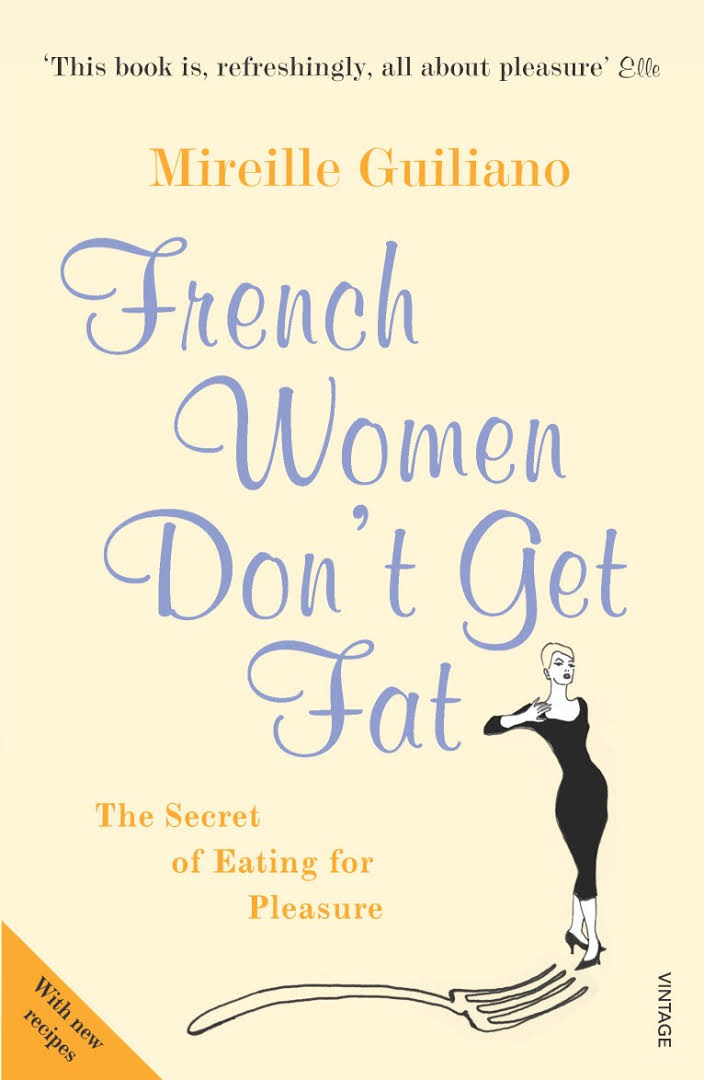
French Women Don't Get Fat - or, I wish I were French


Recently, I was given the book French Women Don't Get Fat by Mireille Guiliano, a Franco- American. I was happy to get a copy of this book (even though it may have been a hint) after wanting to read it ever since I saw the author interviewed on Oprah way back in the mid-2000's. I was nearly finished reading a novel called My Brilliant Friend written by Italian author Elena Ferrante and thought perhaps a transition from one European sensibility to another might be natural. I am anything by willy-nilly in my choices of what to read and when. I did find Guiliano's 'non-diet' book easy to get into, but to stay with? That is another matter, and fitting don't you think?

After explaining the French woman's loving relationship with food and pleasure in a delightedly light-handed way Guiliano launches into a series of meal plans and recipes that further illustrate her philosophy. Light, varied but satisfying and delicious meals seem to fill her life, with a glass of wine at supper each and every night. She grew up in France fairly privileged (with a nanny and a gardener) and food preparation and mealtimes were  near-sacred ceremonies, especially lunch, which was the main meal of the day as it is in many countries. Her mother seems to have been a wonderful cook who got the family involved in the harvesting and preserving of the fruits of their orchards and gardens. The main bits of wisdom I take from the book so far are the following: if you are going to have dessert - and dessert is very important - skip the bread at dinner (although bread is also very important, so skip the dessert if that makes you happier), set the table beautifully and present small portions with panache, eat what is in season when it tastes its best, and enjoy a hearty, healthy breakfast containing yogurt because that will start your day off right and prevent over-eating later in the day. Try not to snack, but if you are stuck in the airport waiting for a delayed flight, keep a handful of nuts in your Hermes handbag. Moreover, enjoy every bite of your precious food, simply take fewer. In any case the pleasure of food is tasted only in the first few bites.

Guiliano's way of living and eating is admirable and enviable. There is something beautiful and classic about her approach. To our North American way of thinking the French woman's philosophy may seem elitist. We immediately shout at her, "I can't afford halibut and lamb chops and all that wine and fancy cheese!" In France, however, food and wine ARE the center of everything, and she explains how life works there. Markets exist in every town and shopping is done daily on foot, not by car, so you get some exercise, too. One purchases for ultimate freshness and quality. I think the anecdote which impressed me the most was when she writes about going to the melon seller and him asking when she wanted to eat the melon. When she replies "In two days when my husband arrives from America - these melons are his favourite," the seller carefully chooses a melon that will ripen perfectly by then. Her husband arrives in Paris, enters the apartment and his nostrils are filled with the perfectly ripened aroma from the melon. "Wow!" is all he can say. French people would rather eat an ounce of good, what we would call 'artisan', cheese than a pound of  American cheese from the 'hypermarche'. The difference between North America and France is defined by how the poor eat as well. In North America, she observes, the poor eat low quality carbs and junk food because that is what is immediately available to their budgets. In France, however, their culture has shown them how to buy food in season when it is at its most plentiful and cheapest, and since less is more they fare better than North Americans health-wise. Eating well seems to be written into the French person's DNA. How lucky they are! We seem to live a lifetime learning how and what to eat.

Living in New York half the time, Guiliano has access to year-round European style markets selling everything from asparagus to fresh caught fish and seafood. Most of us are lucky to live in a town with a farmer's market open once per week in the summer months only. The 'hypermarche' is the reality for most of us. We've all heard the advice, "Shop the outside aisles only" because that is where the fresh food is. Everything else in the center aisles is bottled, packaged, and processed. Well, I shop the center aisles, too. Where else can I find pasta, oats, jam, peanut butter, crackers, coffee, tea, those mint Oreos my kid loves, and the juice my husband needs to survive? In France, perhaps, all of this is available freshly produced at the market, apart from the Oreos (but then, who needs Oreos when you have macarons?). I know from experience that my area's local farmers produce oats and even jam, and I can access these by a bit of extra leg work, but I don't always have the time. I do stop at the pepper farm once a week for a bag of bell peppers in season, and visit farm stands often for berries, eggs, and fresh corn, for these are all on my way home from work. I have always made it a priority to feed myself and my family the way I need to for our health and my peace of mind. That being said, I could stand to lose a few pounds.

So, what can I learn from Guiliano's book? I think I can take her principles and apply them realistically to my own life. I do many of the things she suggests - eat a good breakfast, eat what's in season, make most of our food at home, drink a lot of water, move my body, etc. I do not refrain enough from snacking, especially at work where I am surrounded by food. I do not set the table every night with nice dishes and cloth napkins, sipping wine while I chew slowly and thoughtfully. Perhaps that is the ticket. When all my children lived at home and my husband came home every night we sat at the supper table most nights of the week.  Most nights now, I and my youngest kid, the only one still living at home, eat sitting in front of the TV watching an episode or two of our latest favourite show. Our supper hour is a routine for the two of us and we both enjoy it.

The other night I served myself smaller portions of supper, sat as usual in front of the TV for an episode of Father Ted, and took smaller bites, trying to savour them slowly in between hoots of laughter. Life is all about compromise. Oui, oui!

January 21, 2015

Neighbourhood Games

I was reading a post by one of my very favourite blogger friends, Lucille over at Useful or Beautiful, when I was struck with an idea for a little post of my own. She was writing about all the shoes she wore when she was a child growing up in England. She mentioned a pair of fabric party shoes that became worn out in one wearing due to the energetic nature of the party games: Squeak Piggy Squeak, Blind Man's Bluff, Oranges and Lemons, Musical Chairs and Musical Statues. I am old enough, and Anglified enough, to be familiar with a couple of the games she mentions playing in childhood. I am not going to write about my girlhood shoes, which, besides one pair of super-trendy white canvas Nike runners with the blue swoosh and my first pair of platform sandals, were unremarkable. I am going to write about the games we played in my neighbourhood because, friends, those were some very good times.

My neighbourhood on Silica Street was a lot like many other neighbourhoods in the world at that time in the century, I am sure; it was full of families. On a good night we could have fifteen kids playing outside after supper. The only reason to stay inside on a non-rainy night was a case of the flu or too much homework. The other kids we played with on those nights did not have to be necessarily approved of/interviewed by our parents. We did not even have to like each other all that much. The games we played demanded numbers to be successful and fun, and numbers we could provide simply by showing up. The sheer joy and enthusiasm we had for the games was generally enough to carry us through any personal conflicts with other kids.

In summer we played Hide and Seek or Sardines. In Hide and Seek, boundaries for hiding were agreed upon and one person who was 'it' counted to fifty before beginning to seek for the rest of us. The boundaries included anywhere within our block, including the alley. In Sardines, only one person hid somewhere within the boundaries and everyone else separated to look for them after counting to fifty. The hiding spot had to be large enough to accommodate each 'finder' who would join the 'hider' once he/she was found. We would be packed into the hiding space like sardines in a can, trying not to make any noise whatsoever, and the last person to find the 'hider' was 'it'. We also played a game called War, which involved painting a chalk circle on the street and planning various manouvers to take over portions of the circle. When fewer of us were available to play we relied upon Four Square, Hop Scotch and various skipping games. On summer days we played in the shady public wooded area on the north side of our street. We built treeforts which were taken down by the city only to be rebuilt by us at the first opportunity. During the fall we collected glossy brown horse chestnuts from the same wooded area and kept them in paper bags. Someone among us convinced her dad to drill holes in her chestnuts so she could make a necklace, but other than that, chestnuts were greatly averse to being made into things. We often threw them at each other instead, used them for made-up games, or when some of us were really bad, we threw them at passing cars from up in the canopy of the trees that overhung the street.

In winter, when the snow fell fast and deep the city closed Cedar Street, which was so steep drivers had to put their cars in the lowest gear to make the descent. Then, word would spread quickly and we would all jump into our snowsuits, boots, mittens and touques, grab our Crazy Carpets and go. Cedar Street was long and if we did not bail off our Crazy Carpets after the first long block we would have to climb up an extra-long way. By the end of the night, discarded, snow encrusted mittens and touques littered the sides of the street while we, red cheeked, hot and sweaty, climbed up the hill to race back down once more before we were called in by our parents to get ready for bed. When we got older we went further afield for tobogganing. Queen Elizabeth Park and Trafalgar Junior High had grassy slopes on which to sail down into the sports fields. The golf course way up at the top of town provided perfect tubing - people, including my elder teenaged siblings, drove up there with inner tubes and made wide tracks on the rolling slopes that seemed to go on for miles in the moonlight.

While my own children enjoyed playing outside daily with other children when they were small and we lived in a small resort community with other like-minded families, it took a little while before they found children to play with in our own neighbourhood in the town we currently live in. While we did see children riding bikes around our neighbourhood and were heartened when we saw groups playing road hockey or basketball in the park up the street, we could not help but wonder why our neighbourhood was not teeming with kids playing games of all sorts outside together. My children, however, played outside our house all the time and soon attracted a few others from the neighbourhood to play road hockey, ride around on bikes and skateboards, and play various games as well. Now that my children are grown, I still wonder, when I am out and about why I do not see more children out playing - school and organized sports are not the only places to learn social skills and fair play. A few years ago our neighbourhood school built a hill in the center of the fields and also more recently installed brand new playground equipment thanks to a large donation from NHL hockey players Henrik and Daniel Sedin. The Sedin twins have set up a fund to encourage families in small communities to play and exercise more. The hill and equipment both get a fair bit of use from young neighbourhood families, which is encouraging. Various movements, such as Bring Back Play, encouraging healthy, unscheduled play for kids are happening in Canada as well. We forty-somethings know what our nation's kids are missing in modern life and are trying to reinstate some kind of desire in families to get outside and play on a regular basis.

A friend of my sister's recently posted a photo on Facebook of their high school senior band enjoying a summer picnic at someone's lakeshore property some time around 1980. The photo included about twenty students. Not one teenager in the group lacked the appearance of great health and physical fitness. In fact, they looked like a bunch of young movie stars or professional athletes by today's standards. Unlike the kids of today, they had no Starbucks White Chocolate Mochas, Tim Horton's Ice Capps or Monster Energy Drinks to pile on empty calories back then. A sedentary lifestyle was unusual for a teenager and engaging in some risk-taking behaviours like cliff-jumping was the norm - at least where I grew up. Parents are fed so much fear these days about what 'could' happen to our children we are afraid to let them out of our sight. I am not saying it is easy for me to let my thirteen year old waif of a daughter walk downtown by herself, or ride her bike to the swimming pool alone. I have been fed the same fears for her safety, but I make myself let her go because she is learning to trust her instincts, to discover her own boundaries and get some exercise in the process. As a forty-something mom who values the outdoorsy, independent childhood of my own generation and the good seeds it sowed for a healthy adulthood, mentally, emotionally and physically, I owe her that much.


This is not my sister's band class. It is the cast of Freaks and Geeks, a
show my kids and I have watched and enjoyed. It is set in the 1980's and honestly
represents high school at that time, and to some extent modern times, with uncanny accuracy. 


August 15, 2014

Mourning Robin


The growth of children is truly the marker of time passing. Last week I travelled with my four children and their dad to Vancouver Island. The occasion was the 25th wedding anniversary of my husband's employers at the lodge where we lived from December, 1997 to April, 2003. When we moved to the lodge our three older children were four and a half, three years, and thirteen months. Our youngest had not even been thought of yet, although, knowing her, she had probably been planning her entrance for years before it happened.

The last time we went to the lodge was in 2009 when the owner family celebrated the lodge's 50th anniversary of operation. Our children, the older three teenagers and youngest one eight years.

The above is how I started what was to be this week's blog post. After a wonderful family holiday and reunion with friends-of-old, I was high on a cloud of happiness, floating above the earth and its cares. I sat down to write, got a few lines in before I was interrupted. When I returned to the computer I found out that Robin Williams, a comedian, actor, and benefactor admired and loved by me and by millions, if not billions, of people had killed himself. I read the news and sat staring at the screen, shocked and tremendously saddened. As details about his death trickled in over the next few hours I learned of his absolute determination to end his life - he had left nothing to chance. That was on Monday. All week I have grappled with the news and tried hard to understand it.

After my first reaction of sadness and shock I became angry. I thought of all the Iraqi people starving on that mountaintop after being persecuted and driven there by ISIS. I thought of all the people in the world who struggle daily to access the very basic necessities of life. I thought, how does someone with all the gifts and all the priveleges, all the means to do good in the world just throw it all away? I did not blame the man himself, rather, I blamed our society for collectively losing perspective of how lucky we are and how much responsibility we have inherited to try to make the world a better place. That so many people are driven to suicide seemed, in my angry phase of grief, like a giant failure. What terrible lies of the world did people believe if killing themselves seemed the only option?

When I was finished feeling angry, I tried hard to understand the pain and the depths of despair Robin must have had to endure. I remembered a time several years ago when I experienced true depression for the first, and hopefully only, time. I was lucky in that my bout was a short one, only a couple of weeks, but the experience was something I will never forget. During the time in question, I had been trying to force myself to take a job that my instincts were telling me was wrong for me. I am a fairly sensitive person and my body has always had a way of telling me I am on the wrong track. One morning I woke up and despite a cup of coffee, which usually warms, energizes and starts my day off right, I could not seem to cheer up. I could feel myself sinking down into a state I did not recognize. I began to have severely negative thoughts about myself. I began to think if only I had been a better person the world would not be such a mess. I began to assume things about some of the people in my life - I thought they secretly despised me. I felt like a failure and could not shake off my despair for days. My husband and children were baffled by my sad demeanor and gave me what comfort they could. I wrote to my parents who advised and counselled me well, as they had always done, and eventually I began to rise out of my depression. I have never felt such relief as when I could sense that I was back to my normal, relatively cheerful state. When I described my bout with depression to a friend I said perhaps it would serve to give me a better sense of what other people deal with in their own lives, and now, years later, I think it has.

When I think of Robin Williams and the various people and friends I have known who have taken their own lives, I try hard to think of them with great love and compassion. I hope they will find peace at last, although I do believe a journey of some sort awaits their soul on the other side with comfort and joy as the ultimate destination. But, more than that, I try harder to be kinder and more understanding while I am living on this side. I make time to have a cup of tea with my daughter to talk about whatever is on her mind. I write a thank-you note to an aunt who has sent me a card or a thoughtful gift. I visit my friend who suffers from chronic depression, and I give him an extra big hug when it is time for me to leave. I try to judge less, listen more, give people the benefit of the doubt, smile at strangers, say hello to elderly people I meet when I walk downtown to do an errand, thank the checkout person for bagging my groceries. I know these small things cannot conquer someone's depression if they are already suffering from it, but perhaps sometimes I, and others, can just add enough to the positive side of the scale to keep it from tipping over completely to the negative. I have to believe this or the situation seems a bit hopeless for all of us.

The other day I was in Value Village with my family. My younger daughter came up to me, beaming and holding three movies in her hands - a copy of Shrek 2, Disney's Robin Hood, and Disney's Alladin. "Look Mom!" she said.

"Cool!" I said. Then it dawned on me. Alladin starred Robin Williams as the Genie. "Alladin," I said, "especially considering Robin Will..."

She cut me off. "I know!" she said. "Did you know he adlibbed almost all his lines? I've been wanting to see this for ages." The only copy at our local video store had been stolen, and I had given away our copy years ago.

The checkout girl exclaimed loudly when she saw the video of Alladin. Apparently, she had been looking for a copy for ages, too. While I was paying for our stuff, my daughter and son searched and found two more copies of Alladin on the shelf and moved them to where the checkout girl could see them. The checkout girl gave my daughter a high-five.

Perhaps I should follow my daughter's lead and celebrate the genius that was Robin Williams through his many roles in film and television. I remember watching Mork and Mindy when I was a child and hearing my Dad laugh. I did not always get the jokes but I loved to hear my dad laugh. Robin's role in The Fisher King revealed a sympathy for mental illness which we can understand better now. And, he was my favourite Peter Pan. He brought joy to so many people, and boosted our morale, and what he has left behind will continue to do so, but perhaps now we will look with more understanding and appreciation for what it cost him and costs others like him to keep us entertained.

Here is a small glimpse at his genius. God-speed, Mr. Williams.