Showing posts with label Being Canadian. Show all posts

July 10, 2026

Homes Sweet Homes

I was fortunate enough to be born and raised in a beautiful place. My hometown is built on the shores and hillsides by Kootenay Lake. Once a major center of trade and mining in my province of British Columbia, Nelson boasts many beautiful stone buildings constructed around the turn of the last century. Golden sand beaches dot the shore all along the lake and densely forested mountains rise above it. My winters were spent skiing and sledding, summers spent swimming and sunning. A haven for artists and students, my town fostered a uniquely vibrant cultural scene. People still flock there from all over in search of a kind of Utopia. 

I left my hometown at nineteen to attend university. I met my husband and never lived in my hometown again, save a stint of a few months after I was finished with my studies. I pined for Nelson for a few years, always desiring to return and make it my home once again. In the meantime, my husband and I moved for his career from Vancouver to the East Kootenays, then to Vancouver Island, and finally to the Fraser Valley where we have now lived for twenty-three years. I soon learned that my hometown is not the only beautiful place in the world, let alone in my province of BC. 

I remember going for walks in the East Kootenay town of Kimberley, where we spent a couple of very happy years as a young family. There was one spot down the hill from our house (Kimberley is built on a steep hill with three plateaus) with a wide view that highlighted the distant Rocky Mountains. I would regularly stop there on my walks and gaze admiringly at that fiercely dramatic mountain range. Before we left for Vancouver Island where my husband had been offered a transfer, I walked to my spot to say farewell to that special view, hoping it would not be too long before I could return to visit it again. 

I had for a long while secretly longed to live on Vancouver Island. An island life seemed a romantic idea to me. We moved at the start of winter, and I could not believe how mild the climate was. Kimberley's temperatures regularly dipped into the double digits celcius in winter and my little boys loved to watch the snow removal machines do their seemingly constant job in front of our house. We were lucky to see any snow on the Island. Moss and lichen grew rampantly on the north sides of buildings, and we could often visit a nearby beach in January, not necessarily to swim, although our younger son did have a talent for getting wet every time we neared the water. We have a lovely family photo taken during the winter after our older daughter was born. We are sitting on a beach in January, in jeans and fleece jackets, squinting in the sunshine. We lived a few blocks above the Courtenay air park which was built on the flats of the Courtenay river. My husband worked from home, so the kids and I would give him some quiet by taking daily walks down to the air park. We could watch the small planes take off and land, and enjoy the vibrant bird life and aquatic antics of seals and salmon. On weekends our little family would visit local beaches or drive up into the mountains for hikes. Life was indeed good. 

After the non-profit my husband worked for lost their core funding, we were on the move again - up Island to an off-grid lodge in the mountains west of Campbell River. The place felt like my Nelson home in that it was built on the shore and hillsides above a wide lake, but much more remote. The winters were milder, too. When we did get snow, it was generally wet and packable. The kids had a great time playing year round, no matter the weather. They rode their bikes, paddled in little river kayaks, hiked up trails built into the hillsides, swam to the dock, played in the sand, and climbed trees. I soaked in the views - the layered mountains across the lake were an ever-changing pallette of hues I never tired of gazing at. Campbell River provided everything else we needed. Many hours were spent at soccer fields and parks in the beautiful waterfront community. Discovery Passage provided endless hours of whale and seal watching. Once when we were having a meal at the Beehive Cafe, which was basically built on the dock at Foreshore Park, I watched silently as a grey whale rose and dove repeatedly right in front of me.

After five years of off-grid living we were on the move again. Our family of six had outgrown, not the beauty, but the living and working situation, of The Lodge. Saying goodbye to The Island was one of the hardest decisions I had ever had to make. I loved it so much. I still do. I get excited every time I board a ferry to visit our daughter in Victoria where she has chosen to make her home - an Island girl through and through . We were excited to start a new family chapter, but the temptation to flip the pages back was strong. We persevered, however, and began to plant roots in the Fraser Valley. Those roots are fairly deep now, after twenty-three years of making the Upper Fraser our home. 

What struck me first about the Upper Fraser were the mountain views. Mt. Cheam towers over the community of Agassiz, but is still a feature of the landscape in the city we call home now, west of there. How I have grown to love that mountain, and her neighbour, Lady Peak! I have been fortunate enough to climb to the top of Mt. Cheam and admire the long, wide views in each direction. The Valley has much to recommend it. I admire the farmers who work so hard to provide locally grown food. I enjoy the cities being broken up by fields of productive lands and a myriad of rivers intersecting them. The landscape in The Valley is open and generous and encircled with stunning mountain peaks. I also enjoy the fact that within an hour or two of driving, we can be at the ocean in beautiful Vancouver or White Rock. 

I am also incredibly fortunate to spend much time in the Cascade mountains just over the mountain pass from the Fraser Valley and into the Okanagan/Similkameen. The Resort my husband works at (and lives at most of the week) benefits from both the moisture of the Coast and the aridity of the Okanagan. Again, I feel at home. In some ways I have come full circle. I was born and raised at an elevation of 1700-odd feet, which is basically the same elevation as the top of the resort's ski hill. The resort is located near the Eastern border of a huge provincial park, the beauty of which is renowned and loved dearly by many in all four distinct seasons. 

If home is where the heart is, then my home is forever British Columbia. I'm not sure I could live anywhere else. If I can never get on a plane again, I am fairly sure I would be happy continuing to simply explore this incredible province. 

'til next time, 

Rebecca

March 31, 2026

Warm Thoughts

There comes a time every winter, usually in early March, when I announce to anyone who cares, "I am ready to be warm again." 

I enjoyed a preview of that warmth a couple of weekends ago when my husband and I went to Penticton to see our younger son play in a concert there. Penticton, like much of the Okanagan, is generally drier and warmer this time of year than where we live, and it did not disappoint that weekend. It was so warm that, after the concert, we stood very comfortably outside the theatre talking with our son for a good half hour. It was so warm that in the morning, we went for a walk and had to shed our jackets and scarves, even though there was a light breeze. I felt every muscle in my body relax in the warmth. I turned to my husband at one point and said, "Maybe we should retire here." He responded by drily informing me that Penticton is at least thirty-five degrees celcius most of the summer. "Oh, but it's a dry heat," I scoffed, knowing full well that he was right - I'm not a big fan of thirty-plus temperatures. 

My dad's parents were Snowbirds. They joined thousands of other retired Canadians every winter and went down to the California desert. My Nana suffered with arthritis, and the dry heat made her achy joints feel a whole lot better than they did during the wet winters in her home in South Surrey/Whiterock. My grandparents even bought a home in Rancho Mirage, outside of Palm Springs. When they turned eighty, however, the medical insurance skyrocketed and they decided to sell up and remain in South Surrey each winter. I'm sure it was hard for them to say goodbye to those hot, dry, comfortable winters down south. I wonder if they ever thought of retiring to Penticton. I wish they were around to ask. 

I don't mind winter at all. I don't yet have crippling arthritis or suffer through Seasonal Affective Disorder (SAD) or anything like that. I don't mind rain, either, as long as it doesn't rain incessently for days and days on end. I like being cozy with fluffy duvets and blankets tucked under my chin while the winter weather rages outside. I like making hot soup and warm biscuits for supper. I enjoy skiing and rambles on a snowy trail. I like the views of the mountains from my windows when the leaves are off the trees. Come late spring, those mountain views are filled in with masses of green growth. I like watching the flames flicker in the fireplace and taking hot baths on a cold night. But, even I, friend of winter, reach my seasonal limit. After months of wearing layers upon layers, walking down the street with my shoulders hunched against the cold, hands thrust in pockets Bob Dylan style, I'm ready to stand tall with my shoulders back, wear a sunhat and flowy dress and reclaim my outdoor comfort!

You know that first day in spring when you feel warm enough to walk down the street in a t-shirt? That is always a moment of bliss for me. The air temperature is neither too hot, nor too cold. That is my sweet spot. I am so looking forward to that moment in spring when I don't have to decide which jacket to wear, but we are not there yet. On this last day of March, the season is still hovering between winter chill and spring thaw. A sunny day still ends in a freezing night. A warm, mild day filled with bird song and blooming flowers can easily Jekyll and Hyde into a raw, frigid morning where the snow line descends on the mountains overnight. 

Spring is definitely happening, though, and for that, I say "Welcome Spring, and thank you for all your many gifts of beauty and cheerfulness, and the hope of many, many warm days to come."

Happy Easter, everyone!

'til next time, 

Rebecca


March 30, 2025

Demise of a Department Store

I walk into the store and the scent of exotic perfume hits my nostrils. A well dressed woman asks if I would like to try some Obsession by Calvin Klein. I hold out my wrist and she sprays a little of the heady perfume on it. I rub my wrists together and then rub behind my ears. I hold my wrist up to my nose and inhale. Teenage dream realized, I move into the cosmetics section. I gaze at the rainbow of pastel-coloured bottles of Clinique skincare, wishing I could afford some. The back-lit glass shelving is gleaming and row upon row of cosmetics I had only seen in magazines stares back at me. I carry on to the women's clothing. Stylish pieces of high quality clothing dress the mannequins on display. Several mannequins have been dressed and accessorized to represent a family at the beach. There's even sand on the platform they stand on, and a blown up beach ball is held by the little mannequin boy. I have saved up for months to shop for a few items. I won't be buying anything at this place. It's too fancy for the likes of me, but I am enjoying the fantasy afforded by looking and dreaming. I ascend the escalator and head to the housewares for some more window shopping. I stroke the fluffy towels and silky sheets. China and glassware gleam expensively. I recognize a dishware pattern from Architectural Digest, copies of which I have pored over at my friend Molly's house. Furniture is set up invitingly in bedroom, living room, and dining room sets. Everything in the store is carefully placed and is part of a story. The salespeople are friendly and helpful but not intrusive. They pay much more attention to the nicely dressed women who are shopping than to me, for obvious reasons. I am on a high school band trip, and the store is Hudson's Bay Company in downtown Vancouver. 

Fast forward thirty-five years. My husband and I drive to the mall in the nearby, larger city in our valley to shop for the brand of bras and underwear I like. The Bay is the only place I can buy my underwear without shopping online, which I try not to do. I try to support my local businesses as much as I can. I walk into the store. The scent of perfume still hits my nostrils but no one offers to spray my wrists. I don't really mind that, since I don't wear perfume anymore. The main floor of The Bay now has more of a warehouse vibe than a department store vibe. There don't seem to be any stories to the merchandise anymore. Even the areas focused on one brand like Levi's or Anne Klein seem to be less organized and cared for. We go upstairs on the one escalator that is not broken down. The walls of the store need painting, the paint on the trim is chipped and scuffed. Ten thousand dollar sofas are on offer, but they seem very out of place in this current store, incongruous with their fading surroundings. We both wonder aloud how long The Bay can survive without a major reinventing of itself, but instead of making a better store, they put a mini Zellers inside it, which somehow makes the whole place feel like a Zellers - an HBC-owned budget department store that suffered its own demise years before, but still represents some brand of Canadian nostalgia.

When the Bay went public with their financial troubles we were not surprised. Ownership had transferred to a US based private equity firm in 2008. At least one retail expert thought The Bay leaving Canadian ownership was a leading cause of their downfall. Another said if The Bay had become a seller of Canadian only brands, including Indigenous products (a nod towards Reconciliation), the company could have created something really special. Instead, the store carried on with its failing model, and its collapse was only a matter of time. The fact that HBC is shutting down most of their operations during this interesting time in Canada/US relations is not lost on me. 

The other day, after we heard the news that Hudson's Bay was going to be closing most of their stores in Canada, we decided to go back to our nearby store to see if we could get any more sheets for the impossibly deep mattress we had recently bought. We'd had success there before. Ironically, we were greeted this time by a friendly saleswoman in the cosmetics section, although she didn't offer to spray my wrists with perfume. The store was a mess. Stuff was just piled on tables all over the place. Other areas were completely empty. There were no sheets our size, but I did find my brand of undies fifteen percent off, so I bought a pack there for old times' sake. Luckily, our local Canadian-owned store Mark's carries my brand now. 

I wonder what the mall that has been home to The Bay since 1990 will do without their huge anchor store. Maybe like the mall in our city, they will get a Trevor Linden Club16 gym or a grocery chain to take over the space. It really is the end of an era for Canada. I get it, though. Times change and just because a store has been around for 355 years there is no guarantee it will live forever. Some Indigenous people are happy to see The Bay die out. The Bay represents a lot of negative memories of the British colonial determination to dominate their lands and use their people for economic gain. Higher end department stores also seem to be going the way of the dinosaur. They require too much real estate for their current model. Mega stores like Walmart and Superstore which include grocery sections seem to fare much better in Canada. Costco, which includes furniture and appliances in their extensive list of items for sale on the floor, is another winner here. 

I, for one, like a quality department store. I was a loyal patron of our local Sears store before they also ended their presence in Canada's cities. They had great sales and good products. My Kenmore vacuum is still going strong after twenty years. I have to shop around a lot more now. 

I am lucky to own an original, iconic HBC wool striped blanket, the kind created in 1690 for trade with Indigenous peoples for beaver pelts, but I picked it up years ago for three bucks at a thrift shop. The last remaining HBC locations will be six stores in Ontario and Quebec. Perhaps, if the company can be bought back by Canadian investors, it will have a chance to work on becoming the kind of store which modern Canadians will buy into once again. 


August 13, 2024

Dancing, Waiting for the Dam to Break


I was reading something humorous recently that said choosing where to live in our country should be based on which natural disasters one is most comfortable dealing with. Are you relatively okay with tornadoes and hail storms? Move to the prairies. Content with cleaning up after the tail end of a hurricane? Live on the East Coast. Good with forest fires and flooding? Alberta and the Interior of British Columbia are your best bet (although, the East Coast has had some share in the forest fire phenomenon in recent years). Feeling calm about the ever present threat of a major earthquake? Hightail it to the West Coast. I live between the Interior of BC and the West Coast. The potential for disaster is as varied as my province is geographically dynamic. Before you roll your eyes at me for calling my province 'geographically dynamic' I got this off the trusty internet just now: 

"Geography is a study of the earth and phenomena related to it. The earth is dynamic with variations in its physical and cultural environments. These geographical phenomena, whether physical or human, are not static but highly dynamic. They change over time."

If you need proof, Google what just happened on the Chilcotin River about 450 kms north of where I sit. A massive slide (or more accurately, a slump) dammed the river, creating a lake 11 kilometers long. Experts predicted the water to start moving across the top of the landslide, and while hoping for the best outcome downstream, communities along the Chilcotin and the Fraser Rivers braced for the worst. The damage downstream was held off by the debris emptying into the much wider Fraser River and then being purposefully trapped close to the town of Hope. The look of the area in the Chilcotin will be changed forever. Until the next event comes along, that is.

The earth has always been dynamic, from plate tectonics and volcanoes, to river levels constantly changing, etc., etc., but lately, it seems the planet has been a little too dynamic. Temperatures are more extreme as the planet warms, causing a veritable 'Clash of the Climate Titans'. The Jasper fire was paired with fierce and forceful winds that pushed the fire rapidly towards the town, doing major damage to human property and animal habitat.  From where I sit today, there is a forest fire 20 kms to the east, and one 150 kms to the north. We have had a lot of lightning in the past seventy-two hours and the potential for further fires well into the autumn is ever-present despite the intermittent rain showers.  Summers are getting hotter and longer. Thousands of trees where I live in the mountains are infected with spruce bud worm and for weeks I looked out the window at hundreds of the spruce bud moths flying around. We'll need a couple of weeks of well below freezing temperatures to eliminate these infestations, but last winter was barely cold enough for snow. I have to believe that Mother Nature knows what she's doing, and I really hope we humans are prepared to work with her. So far, we've not been terribly good at that. Our efforts have been more on the 'taking from her' side of things.

Before colonization, Indigenous peoples moved around. They had their territories, but plenty of space within them. If an area flooded, they would move to higher ground. They had their summer and their winter hunting grounds, fishing grounds, and areas to gather berries and plants. We settlers like our little, permanent plots of land. We buy insurance against anything changing about that plot of land. The insurance rates have been skyrocketing in the last few years as a reaction to climate-related disasters (Our condo complex's rates tripled since 2017), and I am left wondering how sustainable the whole industry is. What if we could just pick up our houses and move them? For obvious reasons, I see all kinds of problems with that idea. I suppose the alternative is to move to another little plot of land in a different community, country, or even a different planet as some are proposing. Can we really escape, though? Or are we just buying time? The answer lies within ourselves. We need to get used to change, and we need to get used to downsizing our consumptive natures and sometimes dangerous habits. We mostly need to accept how in denial most of us are. Can we stem the tide of disasters? Experts say yes, but without us each also saying yes with our actions, the situation doesn't look promising.


Not every disaster is related to climate. Some are decades, centuries, or even millennia in the making. A crack widens and the proverbial dam breaks. Many are made worse by climate, though. The slump in the Chilcotin may have been lessened if the trees on the slope were not killed by fire, contributing to destabilization of the slope. The good news is, scientists and engineers are working constantly to find new ways for us to deal with and even lessen the effects of disaster. First Nations and Government are teaming up to tackle forest fire mitigation using traditional techniques. Climate anxiety is a genuine issue these days, especially among young people. The remedy partially lies in doing what we can, when and how we can, and leaving the rest to Nature herself. She's actually a pretty smart cookie. I personally believe we can still live with joy and humour in a constantly changing world. We cannot control the dynamic nature of our planet, but we can control our contribution to it. We have choices we get to make every day to make our world and our climate healthier and happier for all of us. So, as my sister-in-law says, let's "make good choices!" 


October 24, 2022

Let's Talk about TV


I am the youngest of six children. My mother was, no doubt, a little weary by the time I came along. I remember that even though our family's TV received only two channels, CBC and CTV, I watched quite a bit of both channels. When I was small, nearly every morning I was not in school I spent on the living room sofa being gently entertained by Mr. Dressup, The Friendly Giant, and Sesame Street. Halfway through Sesame Street, one of our metal TV trays would be set up and my mother would deliver me lunch, usually a grilled cheese sandwich with a side of ketchup. Sometimes a bowl of soup, too. Lunch would be followed by quiet time on my bed with a book. I presume I was sent outside to play after that, because I remember being outside a lot, too. On school days I would often watch Happy Days with my elder siblings. Sunday evenings we all watched The Magical World of Disney and The Beachcombers. The Irish Rovers also, but I can't remember which night they were on.

 In the days before home video a movie might be shown on TV about three years after its release, and always with commercials. On the commercial breaks my mom would call out, "Okay, go get your pyjamas on!" and we would race to be back before the movie or TV show resumed. On the next break she would say, "Go brush your teeth and wash your face!" In summer, she would add "Go wash your feet!". The stakes were high during Primetime, especially with only one bathroom in the house. Every show not a rerun was like a live performance. None of your 'pauses' and 'plays' of today's streaming services and PVRs. My parents were big fans of The Smothers Brothers and Wayne and Shuster, but the humour often flew over my head. I tried so hard to get the jokes, and laughed along as if I did. We weren't allowed to watch soap operas in our house, but when I was sick and nothing was on, I was allowed to watch Coronation Street. It bored me to tears. I'm sure my mom knew it would, and that I would eventually turn it off and read. I remember her often reading while we watched TV, but like most moms she could keep an eye on everything even when she was reading. She was super critical of advertising and marketing. She would argue out loud against the claims of toothpaste and cigarette commercials, trying to detox our sponge-like little minds from the poisons of capitalism. I can still hear her voice even now when I encounter a commercial which makes elaborate claims over a product's efficacy or promotes the 'luxury lifestyle'.

I slept over at my friend Antonia's house nearly every Friday night when we were preteens. Her family had cable and thus Saturday morning cartoons. Wonderfriends and Scooby-Doo were my favourites. As I transitioned into the teenage years and started babysitting I took advantage of the bounty of Cable TV. Once the kids were in bed and my homework done, I sat glued to Knight Rider, Magnum PI, Rockford Files, and the 'must see TV' of NBC: The Cosby Show (I know, I know), Family Ties, and Fresh Prince of Belair were among my favourites. Some time when I was in high school reruns of those three sitcoms made their way over to CTV. When I didn't have extra-curricular activities after school, or planned hangouts with my friends, I would come home, make a big bowl of popcorn and unwind in front of our little black and white portable.

As VHS's became common my friends and I discovered Monty Python and movie nights which involved a trip to the video store and the choosing of one to three films to rent for the evening (but this is a post about television, not movies, so I will stick to that topic). My newly acquired brother-in-law introduced my family to some great British comedy shows on video, too, like Blackadder and Mr. Bean. As I developed academically I became interested in news stories. I followed Terry Fox and Rick Hansen, Election nights, and the Calgary Olympics, feeling a part of something great in my own country. Growing up in a small town nowhere near a big city, TV for me was a link to the big possibilities of life. I became a devotee of music shows like VideoHits and Good Rockin' Tonight 'with Terry David Mulligan' (That rolls off the tongue, doesn't it?), and the National Ballet's performances filmed for CBC.

When I was in college and still living at home, CBC borrowed a mystery series from the BBC called Inspector Morse. My parents soon became hooked on it. Up until that point my experience with murder mysteries was limited to plays like Agatha Christie's The Mousetrap, which I absolutely loved, and some exposure to Sherlock Holmes stories. Inspector Morse was something new and different, each episode one and a half hours of puzzle solving poised against a backdrop of beautiful English countryside and the hallowed halls of Oxford University, accompanied by a gorgeous classical music soundtrack. Needless to say, I joined my parents for most episodes of the show and I have been a fan of the murder mystery genre ever since, although, in my opinion, Inspector Morse has not really stood the test of time. 

When I moved out, got married and had children of my own, watching TV was the main activity my brain-dead self engaged in once the kids were in bed. I loved shows chock-a-block with quirky characters and clever, snappy dialogue like Northern Exposure and Gilmore Girls. Period Dramas such as Jane Austen adaptations were also high on my list. As the kids got older we watched TV as a family, but please don't ask me for a detailed list of what we watched. That part of my life is a blur. America's Funniest Home Videos and Saturday Night Live were in there somewhere. My eldest horse-crazy daughter and I watched Heartland for a couple of seasons. We also rented a lot of movies and borrowed videos from our local library.

In the modern world of streaming services we have way too much choice of shows to watch on our televisions. My household has basic cable, Netflix, and Amazon Prime with Acorn added on. I could spend twenty-four hours per day watching TV and still not even put a tiny dent in all that is on offer - a far cry from my two-channel childhood. I probably still watch a bit too much TV, but honestly, I find it as I have always found it: relaxing and often transporting. When my husband is home he enjoys watching sports and 'surviving in the wilderness' shows like Mountain Men and Alone, which is generally when I read a book. He also likes mysteries a lot, so we watch those together when we can. Our neutral ground on days when we are tired, or when the weather is bad, is HGTV and the like. Boring, yet satisfying, predictable yet somehow addictive, renovation and house-hunting shows are the ultimate 'Veg TV'. (So are Hallmark movies, but that's a topic for another day.) 

I have always read a lot - my mother was a champion of reading - but I was, and always will be, like many of my Generation X, a TV kid, even if I never once set eyes on Captain Kangaroo.


May 20, 2022

Engines and Fuel

I just finished reading the short novel What Strange Paradise by Canadian journalist and author Omar El Akkad. In Chapter 20 the smuggler's apprentice Mohamed says something simply awful and cynical to the passengers on the ancient run-down fishing boat that carries them across the Mediterranean to a shore they hope will provide a better life than the war-torn places they left behind:

        "You sad, stupid people," he said. "Look what you've done to yourselves. The West you talk about doesn't exist. It's a fairy tale, a fantasy you sell yourself because the alternative is to admit that you're the least important character in your own story. You invent an entire world because your conscience demands it, you invent good people and bad people and you draw a neat line between them because your simplistic morality demands it. But the two kinds of people in this world aren't good and bad -- they're engines and fuel. Go ahead, change your country, change your name, change your accent, pull the skin right off your bones, but in their eyes they will always be engines and you will always, always be fuel."

The irony of the smuggler's apprentice spewing the above as he is facilitating the migrants' journey to the West, making money off it, no less, seems lost on him. I definitely do not pretend to know much about the Middle East's history of troubles, but the fact that the leaders of much of those lands promote a deep mistrust of the West is well-known (and in some cases well founded). Still, people flock by the thousands in leaky boats and rafts in uncertain waters, wearing poor quality pdf's, risking life and life-savings in search of what the West seems to stand for. 

I have always been interested in origin stories. I enjoy learning how people got to where they are now. If I meet someone from a foreign country I often ask what brought them to Canada. I remember one woman who is now a friend answered that question with "Amnesty International and the Catholic Church. My dad was a wanted man for speaking out against the dictator of our country". Having lived a comparatively sheltered and privileged life, I acknowledge how out of touch I can be with the true, lived struggles of people who leave everything behind, often including the graves of many loved ones killed in armed conflicts or raids, to come to a country like Canada. I have to read books like What Strange Paradise to try and internalize some of what these immigrants experience. Or, I ask my hairstylist who was a Vietnamese boat person. He, too, got on a boat with his brother and father not knowing if they would live or die on the crossing to a new land. He is proud of the life he and his family have built here, and he and his wife, like many immigrants, work very hard. He has told me more than once that Canadians don't know how good we've got it. 

When I was working at my friend's tulip festival this past April I was reminded of how much it resembles an international airport during holiday times, or perhaps the UN. Every possible skin colour, ethnicity, and accent is represented (okay, a slight exaggeration, but you get the picture) Languages flow around me like bubbling streams. I love it. This year I worked in the farm shop where we sell potted and cut flowers, souvenirs, treats and drinks. As I greeted each customer I took the opportunity to be as welcoming as possible. I made short conversation with each of them and found my smiles returned. Each customer has an origin story. Each customer has as much right to be on this earth as I do, no matter where they were born. Many of them have earned that right much more than I have by the risks they have taken and the sacrifices they have made to leave all that is familiar. I am grateful not to think like the smuggler's apprentice, dividing humans into engines and fuel, and I need to continue to work in my small way to make Canada a place that gives equal opportunity to all. 

We can all be engines and fuel for each other. 

Until next time, 

Rebecca

April 1, 2022

Recommended Reading

For the last couple of months I've been immersed in my own personal version of the Canadian Broadcasting Corporation's annual Can-lit contest Canada Reads. One of my goals for the New Year was to read more books from diverse cultural perspectives. I could read British murder mysteries by the likes of Ann Cleeves and P.D. James until the cows come home, and in fact I have. The cows are in the building as we speak, and it is time to let them rest awhile before putting them back out to pasture once again while I indulge my penchant for dead bodies found by hyper-intuitive sleuths (who have issues of their own to solve or merely live with) in ancient castles or on dreary, windswept Atlantic beaches. Additionally, mystery novels are glorified puzzles that are solved at the end. Very tidy. Not terribly realistic, but great and satisfying reading.

The last time I read a culturally diverse book, and that was just before the pandemic, was when I gasped my way through Life of Pi. I was traumatized by it, just as I was traumatized by Rohinton Mistry's A Fine Balance years ago. Both books were beautifully written and valuable to literature in general, but I had a hard time getting over them. I am the sort of person who travels alongside the characters in a book I am reading. The things that happen to the characters affect me in a way that is hard to describe. When I read an engaging book I also enter it for the duration. I witness the good, the bad, and the ugly and carry it around with me. When I was a teenager a book could affect my entire mood. I am better at separating real life and fiction now - perhaps my skull is just thicker, but my heart is still quite sensitive. If I have a deeply sad or disturbing book on the go I read it during the day, and read another, lighter book before I go to sleep at night, so with this strategy in mind I decided I needed to open myself up to some more challenging, educational reading once again. If I want to be a good citizen of the world, my country, and my community, I need to learn from the writers who wish to teach us how to be that through their stories.

So, what is on my cuturally diverse list this season, you ask?  The first book I read this year was Washington Black by Esi Edugyan. Wahington Black is a sweeping, transatlantic epic of a novel about a young Caribbean slave boy with a very special talent. The story is full of eccentric characters and the barbarism of slavery, and it was defended in this year's Canada Reads, so at least I had read one of the books on their list. The second book on my personal list was All the Quiet Places by Brian Thomas Isaac. Now, this book entered my soul and gave me heavy dreams. If you want to learn about the lasting impact of colonialism on Indigenous peoples and their communities on a personal level, I highly recommend All the Quiet Places. The author is so good at describing and setting a scene I felt I was right there with the characters, not viewing them from a platform far away. The third book I read was Diamond Grill by Fred Wah. Diamond Grill was published in the mid-nineties, but appeared on my radar a few months ago. The poetic prose of this book perfectly captures the nuances and complexities of growing up bi-racial in mid-century small-town Canada. Yet again, I was transported, this time to the Chinese-Canadian restaurant that closed in my hometown when I was seven years old. The fourth book on my list is Three Day Road by Joseph Boyden. I was hooked by this book immediately. Boyden is a legendary author. Three Day Road is expertly written from the perspective of two people, an elderly aunt recounting her past as a 'bush Indian' in northern Ontario and her nephew who has returned, haunted and maimed, from the battlefront of the First World War. As the elderly aunt paddles her nephew back home she tells him stories from her life, and he silently re-lives his horrifying experiences as a talented sniper in the trenches and bombed out landscape of France. I learned so much from this book and look forward to reading his other novels, when I recover from Three Day Road, that is. 

I have more books on my list, including a few currently on hold at my local public library. I am so grateful to the many authors who tell stories from their own unique perspective. My life is richer because of them, and I hope I can translate what I learn from these stories into action as a more sensitive and aware citizen and friend.  

November 23, 2021

The Jimmy Type

When I was eight years old I had a great friend named Jimmy. Jimmy lived around the corner and his grandparents lived across the alley from me. Jimmy's grandparents had a swimming pool in their backyard and I was sometimes invited to swim in it with Jimmy and any of his cousins who happened to be around. One hot summer day, Jimmy and I were playing beside the pool. His four year old cousin was with us, but she was in the pool. Suddenly, she started flailing her arms and couldn't get her head above the water. She must have moved to the deeper part of the pool which was four feet deep. I stood rooted to the ground, like a deer in the headlights. I could see Jimmy's cousin was drowning, but I couldn't seem to act. Jimmy jumped into the water straight away and saved her. I have never forgotten how impressed I was with Jimmy. I also could not understand my own behavior.

The fact is, the world is full of people like Jimmy who jump in with both feet during a crisis, and thank God they do. This week in British Columbia, during historic rainfall and the subsequent flooding of countless farms and homes, landslides, and washouts of important transportation corridors, we have so many examples of people acting immediately in response to the catastrophe around them: first responders, pilots, health care professionals, police officers, truck drivers, and members of the general public who have the 'right stuff' and know innately how to make themselves useful right off the bat. My hat goes off to all of them. They are worth their weight in gold in a crisis.

Of course, when I had children my reactive reflexes developed and I saved my own kids from some near misses and trucked them off to the emergency room when needed. Something primal takes over one's natural tendencies when one is responsible for tiny humans. Still, in the face of large scale disasters I am still somewhat slow to fully respond. My mind seems to employ a slow processor when it comes to this type of crisis. If someone else (like my husband, a Jimmy type) directs me I can act - sometimes I'm even effectual - but left to my own devices, I'm afraid I lack the necessary DNA to take charge. I was once the passenger in a terrifying car accident from which I walked away miraculously unharmed. My response to the shock? I went home and fell asleep on the couch. I'm much better at crises for which concentrated thought processes are involved, like if one of my children is going through a hard time and needs advice, or a friend needs a listening ear and a measured response. That sort of thing.

We all have different gifts, although we can be pretty hard on ourselves when we find our particular gifts not terribly useful at a given time, myself included. I want to be helpful to my flood-damaged neighbours. It just might take me some time to figure out what that help will look like. (I've also been trapped between mudslides for a week and a half, and my role during this stage has been one of keeping myself calm and lending moral support to those around me.) 

In the meantime, my appreciation for all you Jimmy types out there is currently at an all-time high. Keep on jumping in with both feet. You are so needed. 

March 4, 2018

Snow White Fear


I was commuting to college with my brother-in-law. He was used to Manitoba snow, not necessarily the messy, wheel-sucking sludge that afflicts British Columbia roads. He steered one way and the car slid another. He attempted to correct the sliding and we got turned around and started going backwards over the edge. I was screaming my head off, convinced we were going to die. The car bumped down the embankment, and stopped. We looked at each other. We decided to risk opening the doors and climbing out. It appeared the car had been hung up an a sharp rock which had punctured the undercarriage, bringing us to a halt.Thank God!We climbed up the embankment and hitchhiked back to Nelson where I lived with my parents and he lived with my pregnant sister and their little girl. It was the first car accident I had ever been involved in. My brother loaned us his car until my brother-in-law's insurance got sorted out and they bought a new one. I did a fair bit of the driving to college for the next while.

A couple of years after the accident with my brother-in-law I was going on a ski trip to Banff with a boyfriend. He had been up for 24 hours for his shift at the hospital and was exhausted. We never should have left that night. I think I pushed him to leave, saying I would help keep him awake. By Kootenay Pass he was too tired to drive, and said I would have to. I didn't have much experience driving a standard, but I was willing to try. I wanted to get to Banff and start our week of skiing. The night was cold and clear and gleaming with stars. We climbed the pass at midnight and began the descent down the other side. We hit black ice. The truck did a 180 and hit the guard rail, which sent it spinning in the other direction. Fortunately, we hit the guard rail again and the bumper hooked onto it, stopping us completely. The bumpers were destroyed. My boyfriend was awake enough to take over the driving from there while I sat quaking and apologizing. I think I remember checking in at the police station where he reported the accident.  Our relationship was never the same after that night. I felt our age difference keenly as he took a tone with me that pointed out my immaturity. I confess to having a bit of a wild streak back then, and somewhat of a fearless mentality when it came to risk. I think the proper term for it is youthful stupidity.

They say as we age that we lose our risk-taking tendency. We know the consequences of injury and loss of wages too well to gamble them for an adrenaline rush. I, for one, have taken this theory a bit further when it comes to winter driving. For years now I have found the combination of being a passenger and an unwilling driver on snowy roads terrifying and anxiety-inducing. Oddly enough, I had no difficulty driving snowy roads when I was in my thirties. We always had four-wheel drive and lived in mountainous areas. If I wasn't comfortable driving my husband would and he is an excellent driver - I was, and continue to be, always in good hands. I know the memory of the winter accidents described above haunts me somewhat, but my irrational fear cannot be completely related to those incidents of long ago. There must be some other explanation.

My intense fear seems to have originated from our move to the Lower Mainland. I think moving here made driving a much more intense experience than when we lived on the Island or in the Kootenays. I have been driving since I was nineteen, but I still consider myself a relative novice when it comes to Freeway and city driving. I wonder if I'll ever be completely comfortable moving along at 110 kilometerss an hour with hundreds of cars, semis, and motorcycles jockeying for position all around me on the Freeway. And the addition of snow merely intensifies this discomfort. If I can go slowly and carefully, I am alright, but it seems no one else has time for that. So, I would rather not drive. One would think I would be content enough with my husband doing the driving, but I am not thrilled with that scenario either because I have no direct control over the vehicle. I have taken to breathing slowly and deliberately like a yogi while we drive to and from the mountain resort where he works (and which is our second home) in order to calm my anxiety. To be honest, I am getting pretty sick and tired of this crazy fear of mine.

Last weekend was a particularly snowy one. My husband was coming down in the 4X4 on Friday night to pick up my daughter and me, my sister and her daughter. My little car is not equipped for the snowy mountain roads and I would never attempt the trip at night in any case. I had expressed my fear the night before in a phone call with my husband and he had calmed me with some well chosen and often heard words. I decided the next morning I would change my approach to the drive. My mantra for the day was going to be, "He is an excellent driver who knows the road. I am in good hands." I know it sounds crazy, but it worked for me. I had decided to stop being so afraid. It snowed all day down here as well, and I drove my twelve minute commute to work, both ways, without incident and without fear. That night, he arrived about 7:30. We packed up the truck and picked up my sister and her daughter from their house. The snow fell heavily until about ten kilometers before the resort, but I remained calm, chatting happily with my sister and our daughters. My husband was an excellent driver who knew the road. I was in good hands. When we arrived at the resort I said to my husband, "I did pretty well, didn't I?" He just grinned.

Will I be fearless on the snowy roads from now on? I highly doubt it. My soul is too well acquainted with fear to merely flip the record over and change its tune. I like to think I am developing some coping mechanisms, however, which will hopefully make me stronger than my fears in the future. My life involves a lot of snow now, so I may as well become friends with it again. Returning to skiing is helping me reacquaint myself with the ways of the white stuff, too, and I am loving it. At the end of a day on the slopes or the tracks, I am too content and tired to worry so much anyway.

November 1, 2017

Sears: The End of an Era


Recently, my coworkers and I were discussing the impact of the demise of Sears Canada when one of them said, "That means no more Wish Book, I guess." A sudden rush of memories hit me. Sears was not only the place where I had, for the past several years, purchased my socks and underwear, it was the stuff of childhood dreams as well. How my brother and I pored over those Christmas Wish Book catalogues, marking the things we wanted and discussing them in detail! Kids all over the country did the same with their own treasured copies of that Wish Book every year. The Wish Book was tradition with a capital T. From the gaudy fruit cakes to the plush monogrammed bath robes, the annual Holiday Barbie to the wood burning kits, gift ideas pored forth from the pages and filled our young heads with 'visions of sugarplums' throughout the dark days of November and December.

If I remember correctly Sears came out with a new catalogue every season. Or maybe there were only two per year plus the Wish Book. Whatever the case, while the Spring and Summer catalogues were not nearly as fun as the Wish Book I still went through them page by page (We only had two television channels at our house). I longed for a white canopy bed with Holly Hobby bedspread and accessories until I was in my teens. Many nights I lay awake wishing hard for the sudden appearance in my closet of a certain black velveteen outfit complete with trousers, button up vest, jacket and skirt. How smart I would look at school, I thought. I replaced all my parents' mismatched living room furniture with turquoise French Provincial sofas and Lazy-boy recliners - in my imagination, at least. The Sears catalogue represented a lifestyle quite foreign to me, where parents bought their children huge Barbie houses and Bugs Bunny bedroom curtains. The minimal exposure I had to daytime soap operas convinced me their characters shopped at Sears. Their living rooms were always perfectly clean, serene and decorated like in the catalogues.

Sears, in my hometown, and many towns like it, was not a brick and mortar store. It was a small counter, if memory serves, at the local Greyhound bus depot, where mail orders were given and picked up after a long awaited phone call. The only other department-type store in our town at the time was Woolworth's, so Sears offered many things we could not shop for in person. My parents ordered their trusty Kenmore appliances with excellent extended warranties from Sears. My older sisters were always ordering new clothes from the latest Sears catalogue, and often, due to them not fitting properly, sending them back. I suppose one could say the Sears catalogue and other catalogues like them were the precursor to today's online shopping, which is ironic since online shopping is being blamed for the demise of Sears. The entire retail landscape is going through a major shift, and I do not think we can blame only one thing for that major shift. Sure, online shopping is often a great source for a better value - my daughter's Otter Box for her iphone purchased recently for half the price of the one available at our local Best Buy, for example. I think globalization, saturated retail markets (and their by-product - discount outlets such as Winners and HomeSense), and brand loyalty are also factors. Here's an example: I like Jockey underwear. They are 100% cotton, well made, and oh, so comfortable. With our city's brick and mortar Sears closing I know of no other place in my city that sells them. I will have a good look in the possible shops, but if I cannot find my Jockeys, I know I will look online. I know my size, my preferred style and price, so purchasing would be easy. Would I buy shoes or other clothing online? Rarely, if never. I have to try them on, and if possible I like to support my local businesses.

I am sad Sears Canada is closing. I shopped there often. They had great sales, good products, and friendly staff. Unfortunately, despite their monumental efforts at rebranding and revamping, they cannot carry on. Like Eatons they are going the way of the dinosaur, taking their beloved Wish Book with them.  I am sorry for their thousands of employees across the country. Where will they go? Sears hired many older people and now their pensions are evaporating along with everything else. The world does not feel like a very merciful place today. Progress, as usual, leaves many casualties in its wake.

For more information on the history of Sears Canada, have a look at this article, which, by the way, I read after I wrote this post.


The last Canadian Sears Wish Book - the end of an era


August 30, 2017

French Women Don't Get Fat - or, I wish I were French


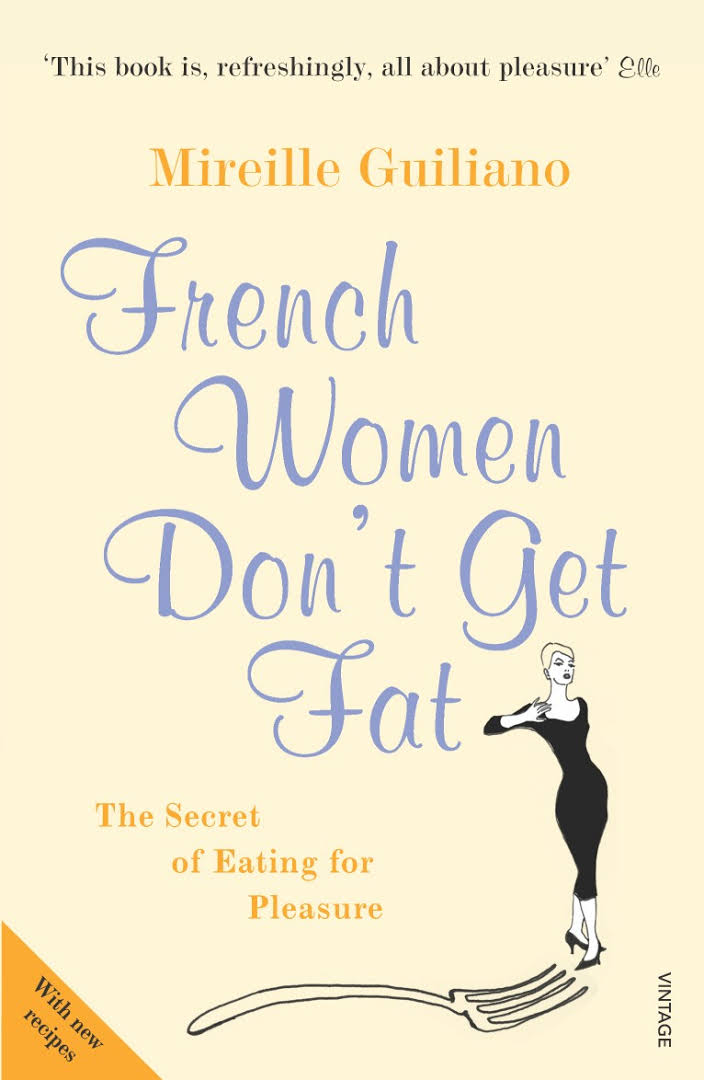
Recently, I was given the book French Women Don't Get Fat by Mireille Guiliano, a Franco- American. I was happy to get a copy of this book (even though it may have been a hint) after wanting to read it ever since I saw the author interviewed on Oprah way back in the mid-2000's. I was nearly finished reading a novel called My Brilliant Friend written by Italian author Elena Ferrante and thought perhaps a transition from one European sensibility to another might be natural. I am anything by willy-nilly in my choices of what to read and when. I did find Guiliano's 'non-diet' book easy to get into, but to stay with? That is another matter, and fitting don't you think?

After explaining the French woman's loving relationship with food and pleasure in a delightedly light-handed way Guiliano launches into a series of meal plans and recipes that further illustrate her philosophy. Light, varied but satisfying and delicious meals seem to fill her life, with a glass of wine at supper each and every night. She grew up in France fairly privileged (with a nanny and a gardener) and food preparation and mealtimes were  near-sacred ceremonies, especially lunch, which was the main meal of the day as it is in many countries. Her mother seems to have been a wonderful cook who got the family involved in the harvesting and preserving of the fruits of their orchards and gardens. The main bits of wisdom I take from the book so far are the following: if you are going to have dessert - and dessert is very important - skip the bread at dinner (although bread is also very important, so skip the dessert if that makes you happier), set the table beautifully and present small portions with panache, eat what is in season when it tastes its best, and enjoy a hearty, healthy breakfast containing yogurt because that will start your day off right and prevent over-eating later in the day. Try not to snack, but if you are stuck in the airport waiting for a delayed flight, keep a handful of nuts in your Hermes handbag. Moreover, enjoy every bite of your precious food, simply take fewer. In any case the pleasure of food is tasted only in the first few bites.

Guiliano's way of living and eating is admirable and enviable. There is something beautiful and classic about her approach. To our North American way of thinking the French woman's philosophy may seem elitist. We immediately shout at her, "I can't afford halibut and lamb chops and all that wine and fancy cheese!" In France, however, food and wine ARE the center of everything, and she explains how life works there. Markets exist in every town and shopping is done daily on foot, not by car, so you get some exercise, too. One purchases for ultimate freshness and quality. I think the anecdote which impressed me the most was when she writes about going to the melon seller and him asking when she wanted to eat the melon. When she replies "In two days when my husband arrives from America - these melons are his favourite," the seller carefully chooses a melon that will ripen perfectly by then. Her husband arrives in Paris, enters the apartment and his nostrils are filled with the perfectly ripened aroma from the melon. "Wow!" is all he can say. French people would rather eat an ounce of good, what we would call 'artisan', cheese than a pound of  American cheese from the 'hypermarche'. The difference between North America and France is defined by how the poor eat as well. In North America, she observes, the poor eat low quality carbs and junk food because that is what is immediately available to their budgets. In France, however, their culture has shown them how to buy food in season when it is at its most plentiful and cheapest, and since less is more they fare better than North Americans health-wise. Eating well seems to be written into the French person's DNA. How lucky they are! We seem to live a lifetime learning how and what to eat.

Living in New York half the time, Guiliano has access to year-round European style markets selling everything from asparagus to fresh caught fish and seafood. Most of us are lucky to live in a town with a farmer's market open once per week in the summer months only. The 'hypermarche' is the reality for most of us. We've all heard the advice, "Shop the outside aisles only" because that is where the fresh food is. Everything else in the center aisles is bottled, packaged, and processed. Well, I shop the center aisles, too. Where else can I find pasta, oats, jam, peanut butter, crackers, coffee, tea, those mint Oreos my kid loves, and the juice my husband needs to survive? In France, perhaps, all of this is available freshly produced at the market, apart from the Oreos (but then, who needs Oreos when you have macarons?). I know from experience that my area's local farmers produce oats and even jam, and I can access these by a bit of extra leg work, but I don't always have the time. I do stop at the pepper farm once a week for a bag of bell peppers in season, and visit farm stands often for berries, eggs, and fresh corn, for these are all on my way home from work. I have always made it a priority to feed myself and my family the way I need to for our health and my peace of mind. That being said, I could stand to lose a few pounds.

So, what can I learn from Guiliano's book? I think I can take her principles and apply them realistically to my own life. I do many of the things she suggests - eat a good breakfast, eat what's in season, make most of our food at home, drink a lot of water, move my body, etc. I do not refrain enough from snacking, especially at work where I am surrounded by food. I do not set the table every night with nice dishes and cloth napkins, sipping wine while I chew slowly and thoughtfully. Perhaps that is the ticket. When all my children lived at home and my husband came home every night we sat at the supper table most nights of the week.  Most nights now, I and my youngest kid, the only one still living at home, eat sitting in front of the TV watching an episode or two of our latest favourite show. Our supper hour is a routine for the two of us and we both enjoy it.

The other night I served myself smaller portions of supper, sat as usual in front of the TV for an episode of Father Ted, and took smaller bites, trying to savour them slowly in between hoots of laughter. Life is all about compromise. Oui, oui!

May 31, 2017

City Mouse, Mountain Mouse


I was so exhausted after work Friday I forgot the onions and garlic for the Shepherd's Pie I was set to make the next day.  We were gathering up clothing, food and supplies to take up to our place at the mountain resort where my husband is employed, and where our daughter and I would also spend our weekend. I had the recipe in front of me and read it over to make sure I gathered all the ingredients. (I also ended up forgetting the rosemary.) For some stupid reason I had awoken that morning at 4:45 and could not, for the life of me, fall back to sleep. Instead, I had given in, got up, made coffee and taken care of some emails. I never sleep to my 6:20 alarm on my work days, but 4:45 is ridiculous. Fourteen and a half hours later I was pushing through my foggy haze to get organized. Fortunately, my husband had come down to pick us up, and I would not have to drive the hour and ten minutes to the resort. He was also trying to be helpful in a 'let's hurry' sort of way.

Once we were on the road I could relax. A beautiful evening drive was in front of us and a mellow and quiet weekend was something to look very much forward to. The weekend before my husband had come down with the stomach flu and a few days later our daughter got it. I had successfully fought off the flu, but I was truly spent after looking after my family, working, and surviving on the interrupted sleep I seem to get nowadays. As we left the freeway behind and began the gradual winding climb to the resort I felt every cell in my body breathe a sigh of relief. I enjoy my job, I like the convenience of living in a mid-sized city and appreciate all it has to offer my daughter and me by way of cultural and educational opportunities, but I was born and raised in a town perched on a mountainside above a long and lovely lake, and the scent of lake water, evergreens and cottonwood are part of my DNA.

The first thing I do when I arrive at our humble little place in the mountains is fill my lungs with the sweet, fresh, fir and pine scented air. Next, I fill a glass with delicious mountain water and drink it down. The city where I live used to boast some of the best drinking water in Canada, but now it has to be chlorinated. After my ritual of inhaling and water drinking I put my stuff away and my husband made some popcorn. We sat down in front of the laptop and watched some comedy on YouTube. My husband has lately discovered a Brit comedian named Michael McIntyre,who is very funny but also incredibly fast talking. After about forty-five minutes of trying to keep up to Michael McIntyre I gave up and went to bed. I slept the deepest, longest sleep I'd had in ages.

My daughter was up before me the next morning, which almost never happens. I got up about 9 and made coffee, which I am confidently sure I would never forget to bring no matter how foggy I am the night before. My husband doesn't drink coffee, he wakes up ready to go which is a completely foreign concept to me, and doesn't keep it on hand. My daughter was still feeling a bit rough so we kept our ambitions of activity low and wore pyjamas until the afternoon. After lunch we ventured out for a walk on one of the many trails in the park and came across a couple of snowshoe hares, their feet still white but their bodies turning brown for their summer camouflage. They seemed to be chasing around in some sort of mating ritual and kept darting across our path. The air was warm, but not nearly as warm as it would be down in the valley. Still, we stuck to the shade where possible and put our hands in the cold rushing stream dissecting our path. We returned early to our place and I began to prepare our Shepherd's Pie. I soon realized I lacked the required onion and garlic. I wondered if the Resort chef would spare me some, and made my way out the door to walk the ten minutes to my husband's office. I had barely gone fifty meters when I saw our neighbour pull up in his BC Parks truck. I called out, "Do you happen to have an onion?" He said he did, at first thinking I was a tourist before recognizing me despite my lack of winter garb, and we proceeded to chat about Shepherd's Pie and cooking in general. I offered him a piece in exchange for the onion and garlic, and he took me up on it. I had met him and his girlfriend only once before in the winter, but familiarity is quick in somewhat isolated resort communities, I find. I think it has to be.


We thoroughly enjoyed our dinner. The simplest meals seem to taste best in a camping-type environment, where the flavours mingle with fresh air, wood smoke and sunscreen. I remember making Sloppy Joes, which is basically meat sauce on a bun, for my family when we were camping on the West Coast of Vancouver Island, and they begged me to make it at home. I made the dish a couple of months later and the kids were disappointed, even though the ingredients were exactly the same as when we were camping. After the dishes were done, my husband made our first campfire of the summer and we sat around it in camp chairs and talked of this, and that, and burned an old insect and mold damaged paperback nearly page by page. My actor daughter and I read selected lines from the pages by way of a eulogy for the book. We let the fire die and went back inside to watch more Michael McIntyre and then we had another long and satisfying sleep.

The next morning I got up before my husband left for work. Our daughter was up early, too, so I suggested we aim to leave the house by 10-ish since we were both feeling a whole lot better than the day before. We packed a simple picnic and drove the four kilometers up to the lakes. The May morning shone on the blue-green of the lake water and the verdant green of the shore. I knew a path circled the lake so we set out upon it. We stopped several times to exclaim at the tree-perfumed scents of the forest in which we hiked, the birds and especially the ground squirrels that so delighted my daughter with their winning/food begging ways, The walk was longer than we anticipated, and very glad we'd brought peanut butter and jam sandwiches and apples we stopped to sit on a log overlooking the water to enjoy our lunch.  Happy people in canoes and kayaks paddled by in front of us and ducks and geese floated and fished. A dog came to visit us and I jumped because I had been bitten just a half hour before by another dog I had been assured would be friendly if I said hello. This particular dog was an adorable puppy and only made a muddy mess of my leg as it raced around us. I was grateful to put my throbbing and bleeding hand in the cold, clean lake water (no motors are allowed on the lakes) before we continued our trek.

We drove back to our place and made tea and ate more food. We decided we had earned a movie and chose Johnny English. Although the hike around the beautiful lake had made me feel blissful and somewhat romantic about life, the dog bite had brought me very much back to reality and I thought a laugh would do me good. It did do me good, as did the antiseptic wipes and the Advil. We made another simple but enjoyable dinner, packed up and drove down the winding descent to the freeway. We arrived home to a very warm apartment and flicked on the air conditioner. Our daughter caught up on the rest of her homework (she had already done plenty on the weekend after missing school for three days), and my husband and I watched an episode of Miss Marple.

I woke up the next morning at 5:30. The traffic had started in earnest on the thoroughfare by our building and the Tim Horton's drive-thru had already been open for an hour and a half. Not quite ready to give into the city's ways I suggested to my husband who was now on days off, that we drive the few minutes to the river and go for a walk before the heat of the day set in. The cottonwoods were shedding their fluff and giving off their heady, honeyed scent. Acres of pink and purple phlox bordered the pathway and the sun shone warmly down. The river swollen from the spring runoff raced along beside us. I was very glad to carry on the nature therapy a little longer so near our city home. I know we are very lucky to live where we live. The cares of the weekdays would come soon enough.

Later that day I went to the second hand book store and bought another copy of the burned novel.


March 6, 2015

Making Time for Signs of Spring

"You find time the same place you find spare change: in the nooks and crannies." Austin Kleon

Since I landed a job in early February at a local cafe my life has become more full and I must make the most of the days I do not work, to make time for the things I enjoy, like walking and running, writing and reading, hanging out with my family, and volunteering. My weeks are framed and more structured now and I find I am enjoying life more. This winter has been a time of growth for me personally in many ways, some of them difficult, and I am happy that spring is just around the corner ready to welcome me with its floral fragrances, warm sunshine and birdsong.

We on the fondly named 'wet coast' were neither very wet, nor very stormy this winter. Our winter has been the complete opposite of the Eastern parts of the country which all but disappeared under umpteen layers of snowdrifts. The blooming began here in mid-February (when Halifax was being buried by yet another storm) and if I turn my head away from the computer screen to look out the living room window into the front yard I see a star magnolia nearly in full white bloom, baby narcissus, and swelling buds on the rhododendron bushes. The snowdrops are all but finished blooming, the daffodils are out in sunny spots and the tulip leaves are six inches above the ground. When I go for a walk I am generally hatless and glove-free these days, and a light jacket over a sweater is plenty warm enough for morning and too warm for the afternoon. When we watch the weather report on the news we cringe with guilt at what Eastern Canadians are enduring, but I think we also get the sense that many of our fellow countrypeople are making the most of this hard winter and will come out swinging while we sort of sashay sideways out of our easy winter into our early spring with self deprecating, embarrassed jokes about not being Real Canadians. Not that we have not had our turns other years. A couple of years ago we endured a two week snow and wind storm so severe it was broadcast on the news across the country - although I am sure many Easterners said 'it is about time they had some real winter over there.' We would have welcomed some real winter in the mountains this year. The ski season was a complete bust in the North Shore mountains of Vancouver, at our local ski hill and some others around the province. These mild winters have their downside. And, what's that about something not being over until the fat lady sings? March came in like a lamb and it still could go out like a lion. We have to enjoy it while we have got it.

I had not taken my camera out for a while and on Monday morning I decided to take it along to my appointment at the chiropractor. I planned to photograph signs of early spring on my walk home. I found many signs I was looking for except one. I had hoped to find a Tim Horton's 'Roll up the Rim to Win' cup discarded on the ground - a sure sign spring is coming. And what do you know? Not a single cup did I see on my walk. Quite shocking, really. Most days those things are all over the place, especially now we have a Timmie's right across the bridge.


A daffodil outside the chiropractic office


Lovely Japonica


Renovations


Heather in full bloom


No idea what this plant is in front of the museum


Streetlights bathed in blossom


Akebono Cherry tree in the town park looks wonderful even without leaves


Time to think about getting the kids outside!


Magnolias hang heavy on young branches


Forsythia is a favourite against a blue sky


A neighbour down the street provides for the fairies


Another sign of new beginnings for someone


Ornamental cherry or plum on our street


Baby narcissus and the last of the snowdrops in our yard


Our star magnolia

Honestly, I do not mean to gloat. Look what the rest of you have to look forward to?

Cheers, and happy weekend,

Rebecca

January 29, 2015

How Much do I Love Camping?


I have been thinking a great deal about going back this coming summer to a favourite spot of our family's. We used to go there every summer for a family camping trip, but with all our children working and growing up and dispersing, the last time we were able to go to the spot in question was late in the summer of 2010. Below is my post written shortly after our last trip there. I do hope, if we go this year that the sun will shine more warmly upon those of us able to make the trip and, most of all, that we will be allowed to have a campfire. It really does make all the difference in the cool evenings. Even without a fire, however, our spot is beautiful almost beyond belief. There is a sense of being on the edge of the world there without it taking more than a day's travel from our home. The ocean seems bigger there and the shoreline wilder than any spot near here. I love the ocean and have been missing it as of late. The waves are calling me in the dead of winter and I long to answer their call - when summer comes.


I believe I am now completely thawed after camping for five days on the southwest coast of Vancouver Island with a complete campfire ban in effect.  We are experienced coastal campers but nothing could have prepared me for camping in damp windy conditions without the benefit of a fire in the evenings.  I wore all the wool I brought and went for many walks on the beaches dressed like it was January.

My husband and children did not seem to feel the cold nearly as much as I did.  They dressed warmly, but were not desperate about it.  One day found me pacing around our campsite with a wool blanket tied around my waist like a sarong.  My husband took to calling me 'Nanuk', but by the end of the week, even he said next time we camp at French Beach we should come earlier in the summer, when the possibility of a campfire ban has not yet taken effect.   The forest floor of the campground was littered in gold and brown leaves from the overnight fall-like temperatures, but we were mercifully cozy in our tents and sleeping bags at night, and slept well, looking forward to hot chocolate and coffee made on the Coleman stove in the morning.  We had glorious days on the beaches, hunting for tidal life, scanning the horizon for dolphins (we saw a group of three) and whales (we were blessed with a visit by a grey whale feeding in the kelp beds just off shore at Botanical Beach near Port Renfrew), and warming up on the sunbaked stones littering French Beach and China Beach.  At one point I sat on French Beach, picking up warm stone after warm stone to hold in my frigid hands.


We played round after round of badminton and tossed the football, and no one complained about taking their turn to do the dishes after every meal in a pan of hot water.  We were gratefully distracted from the wind on our second afternoon with a visit from my brother, his family and a couple of nephews, and enjoyed showing them around China Beach - a long stretch of fine sandy beach accessible only by boat or by a short hike through a forest of huge arrow-straight Sitka Spruce trees once used for masts on tallships  - which they thought was truly beautiful.  We had brought a gas lamp with us and after we found it emitted a generous amount of heat we joked about it being our impromptu campfire, placed it on the fire grate and gathered around it every evening just to stay somewhat warm while we sat and talked about the day and shared stories and favourite scenes from well-loved comedy programs.

The last day we hiked into Mystic Beach and enjoyed the sheltered bay there.  We lingered in the warmth, exploring the caves created in the cliffs by the tide, and visited the waterfalls.  I was clicking away with my camera when a fellow hiker offered to take a family photo, and I think it will make a great Christmas card this year.  Soon after, our daughter Emma stood on a rock near the shore.  The tide was coming in then and my boys thoroughly enjoyed watching their sister get soaked by a large rogue wave that hit her at chest height.  Good thing I had packed an extra jacket.


New wooden steps down to Mystic Beach

The last evening after supper was cleared away we walked on French Beach and remarked on the darkness of the clouds heading toward us.  We decided to string up a tarp over the picnic table in case of rain, so at least we would have somewhere dry to cook and eat in the morning.  We were so glad we thought of it, because it rained fairly hard all night long.  After breakfast we packed up the wet tents cheerfully, anticipating the dry warmth we would return to here at home. 

Do I love camping?  Not necessarily in the aforesaid conditions.  But what I do appreciate about camping is the unobstructed family time, the simplicity of choosing meals suitable for cooking over a two burner camp stove,  the 24/7 outdoor living by the briny fresh sea, the inaccessibility of technological gadgets, my husband being well out of cell phone range so he can't be bothered with work, and the appreciation it gives me for the simple things of everyday life - like a hot bath and a solid roof overhead.

The painting above of the large piece of driftwood on French Beach is called 'West Coast Wanderer' by Victoria, B.C. artist Jeffrey J. Boron.  More of his work can be found here.